- Loading...
Delightful Housing Opportunity.
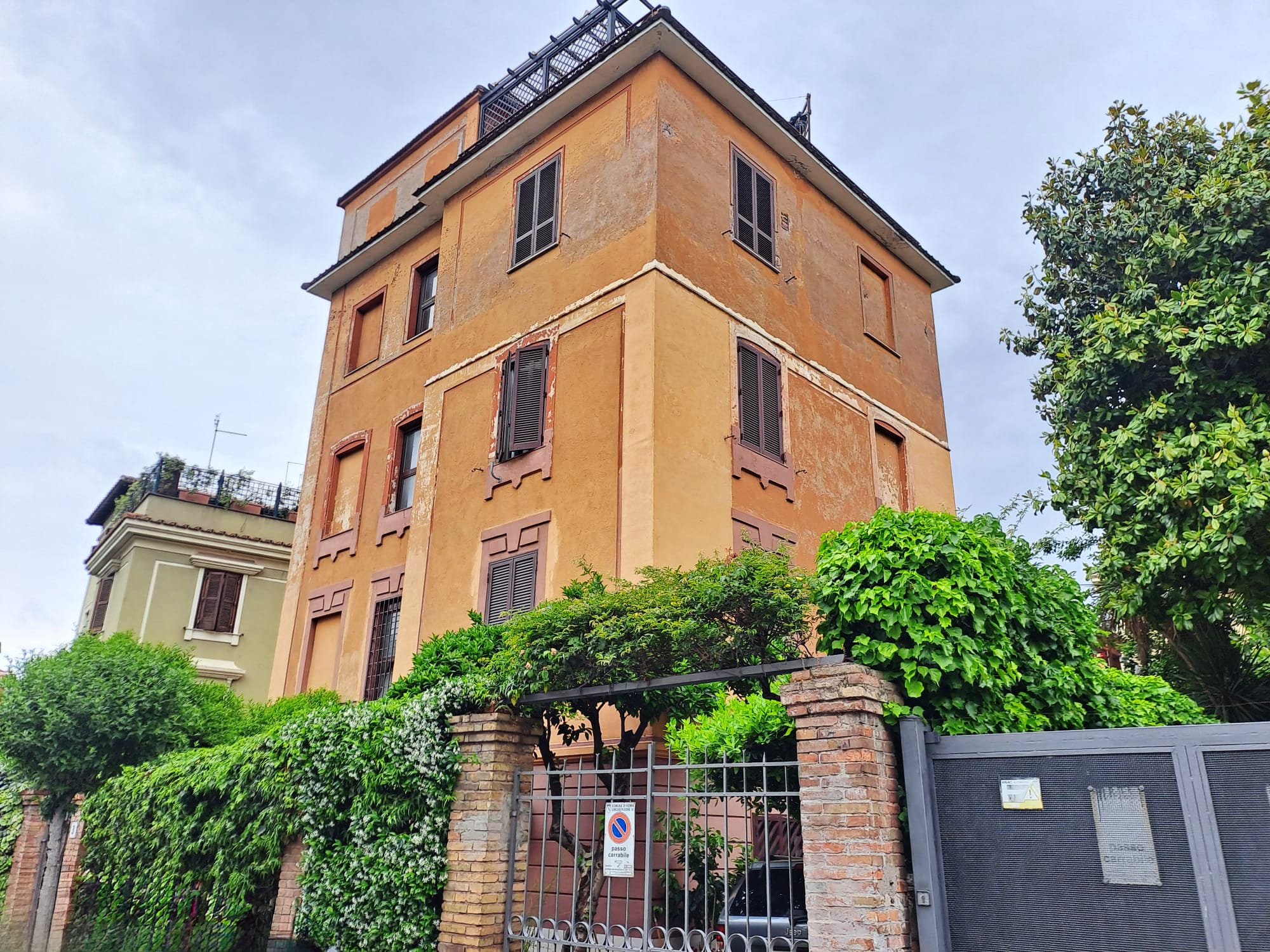
ROME - Appius Latinus. Delightful housing opportunity, in the most sought after part of the fascinating neighborhood, a few steps from Via Gallia.
- Ref. FGI98
- 90 sqm.
- 3 Bedrooms
- 1 Bathrooms
ROME - Appio Latino area. Delightful housing opportunity, in the most sought after part of the fascinating neighborhood, a few steps from Via Gallia, the Porta Metronia metro station and Piazza Tuscolo.
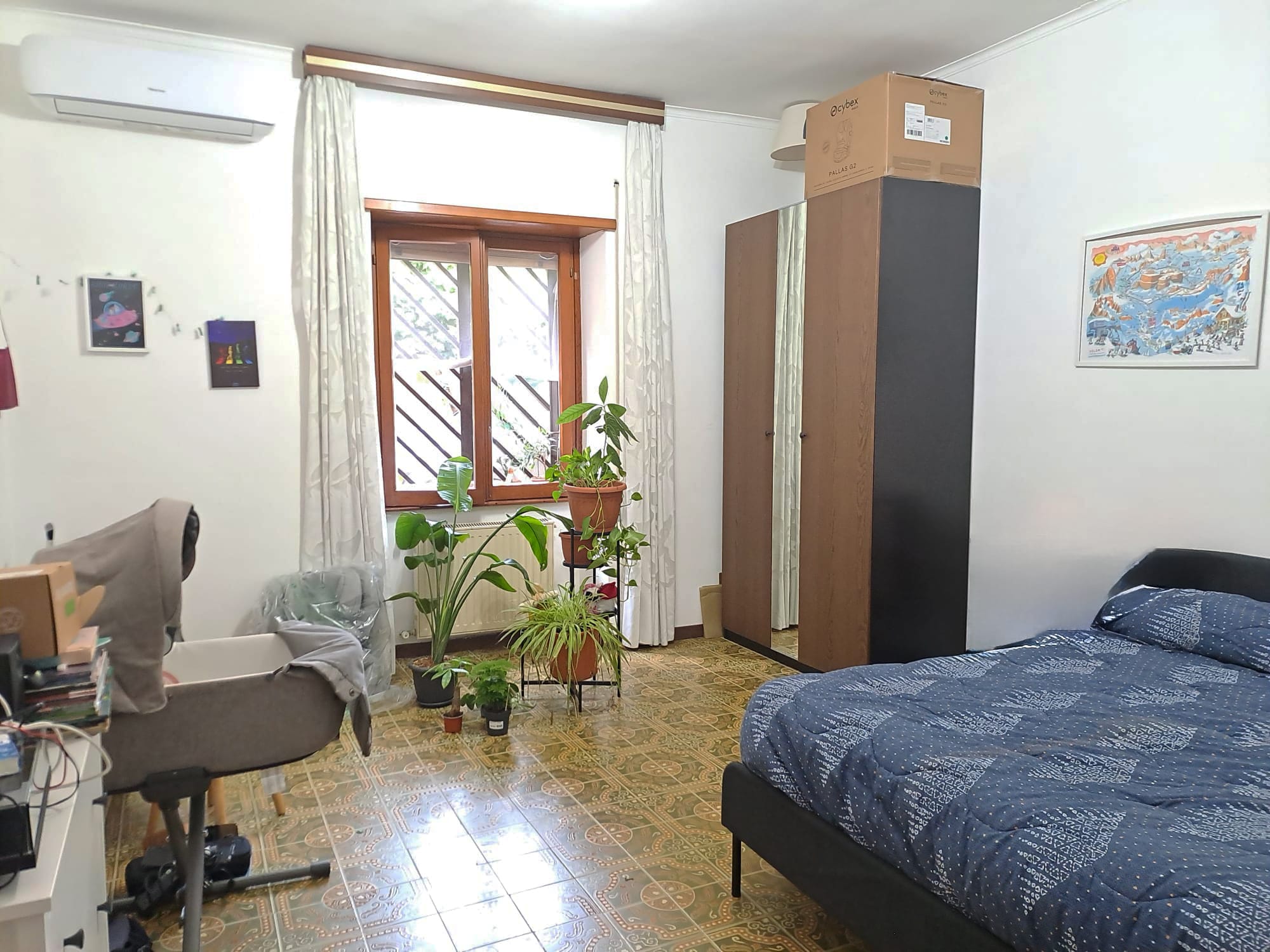
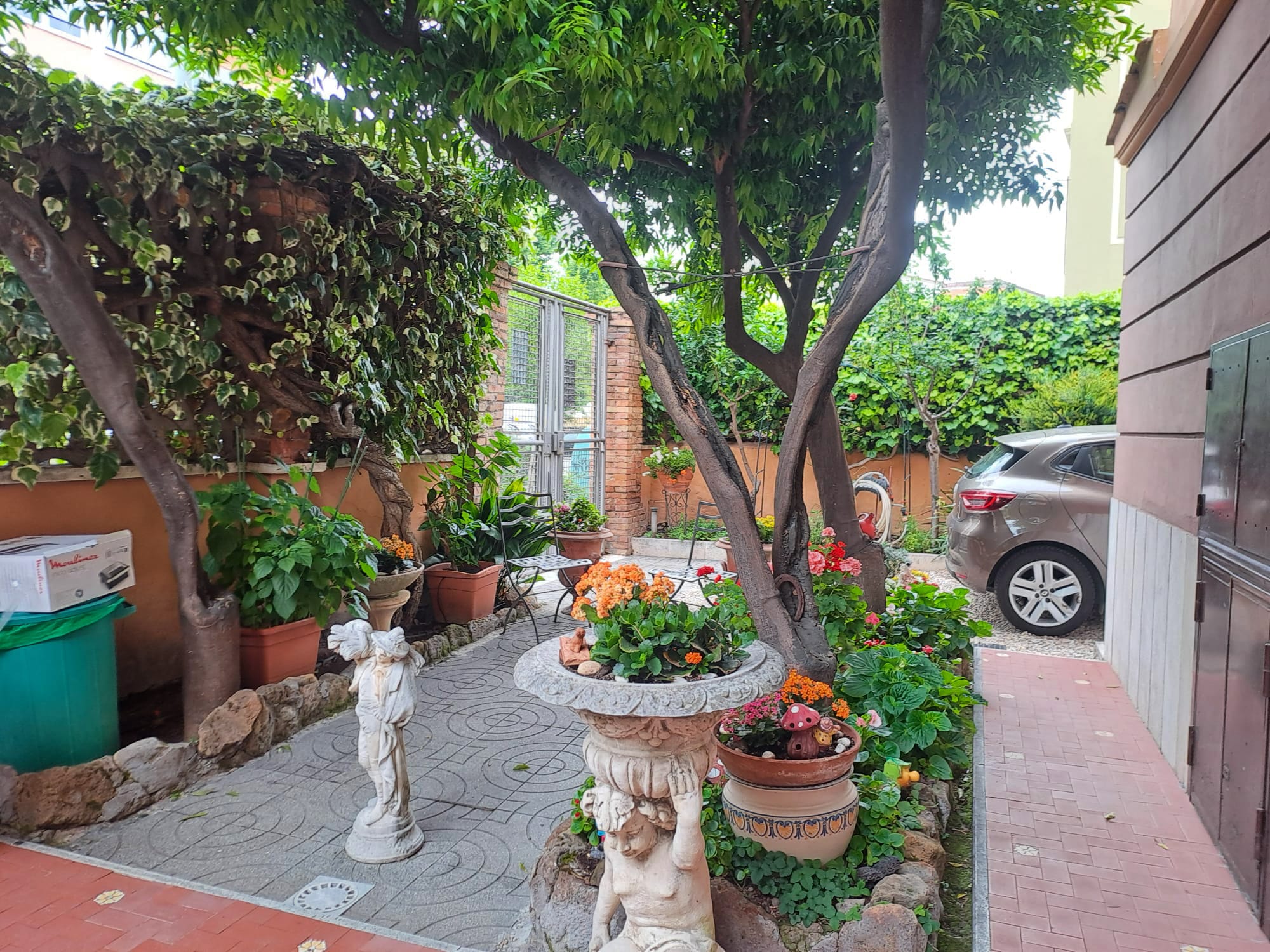
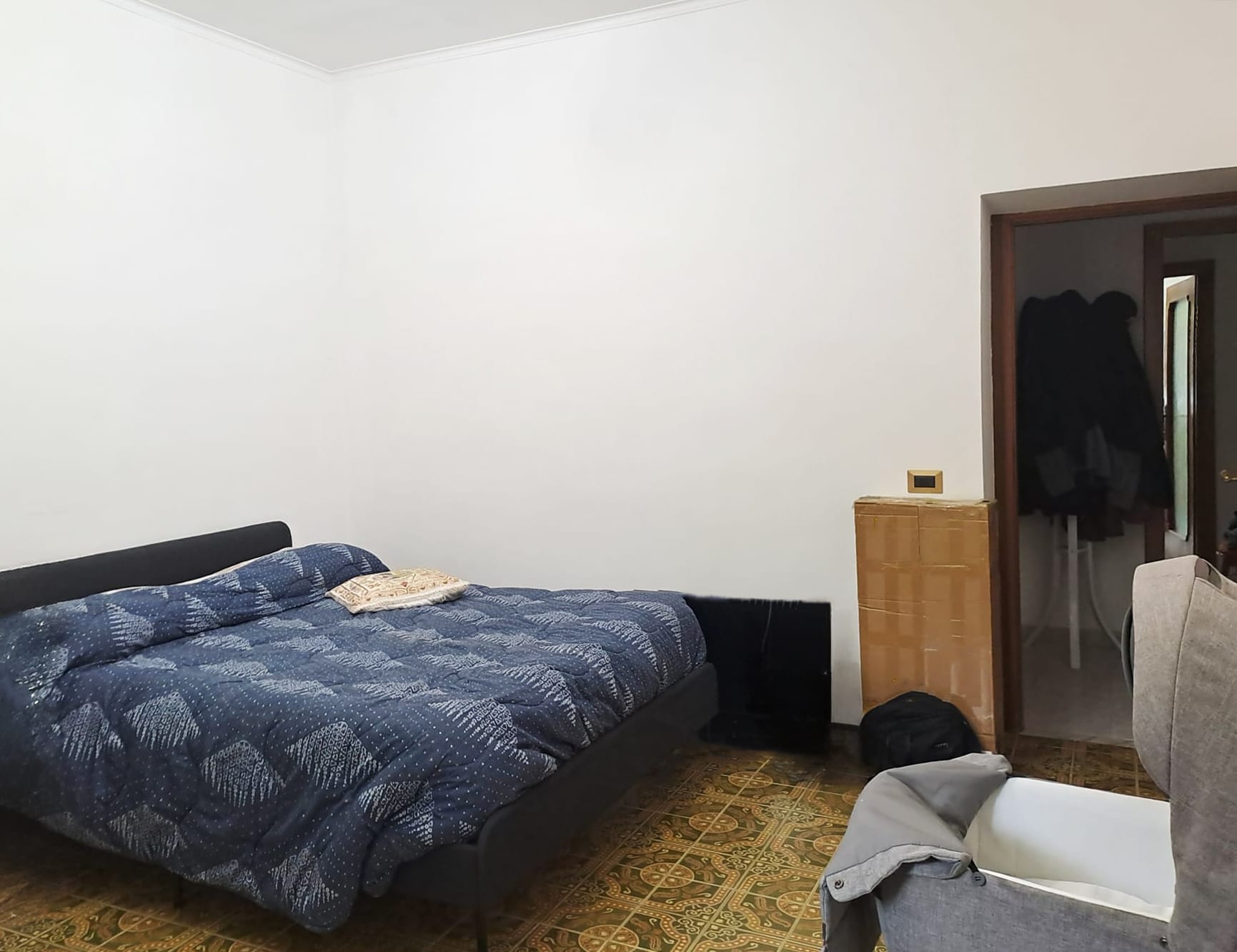
On the ground floor of a delightful period building in Via Metaponto, we offer for rent a large three-room apartment of approximately 90.00 m2, fully furnished, air conditioned in every room and equipped with central heating.
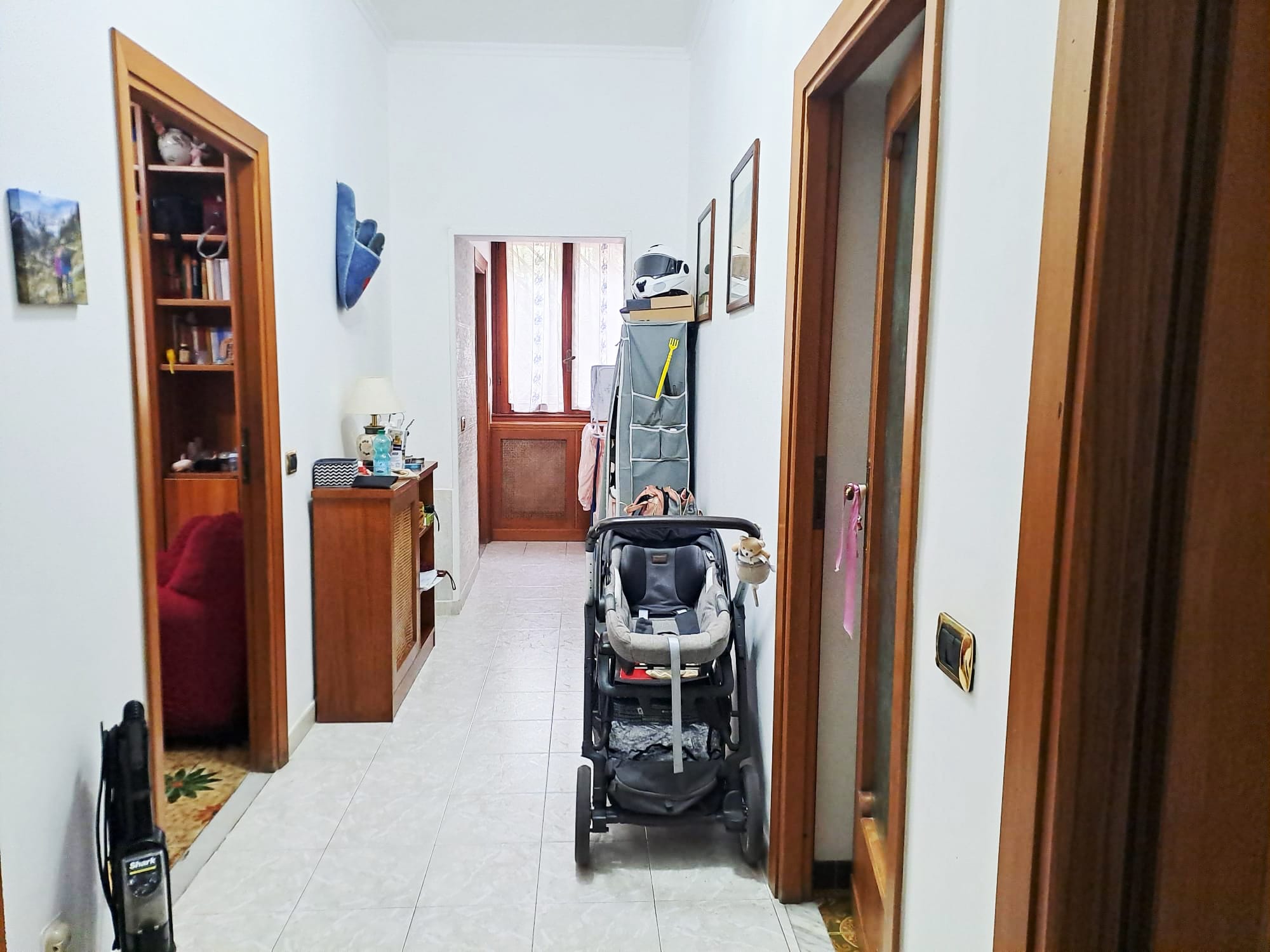
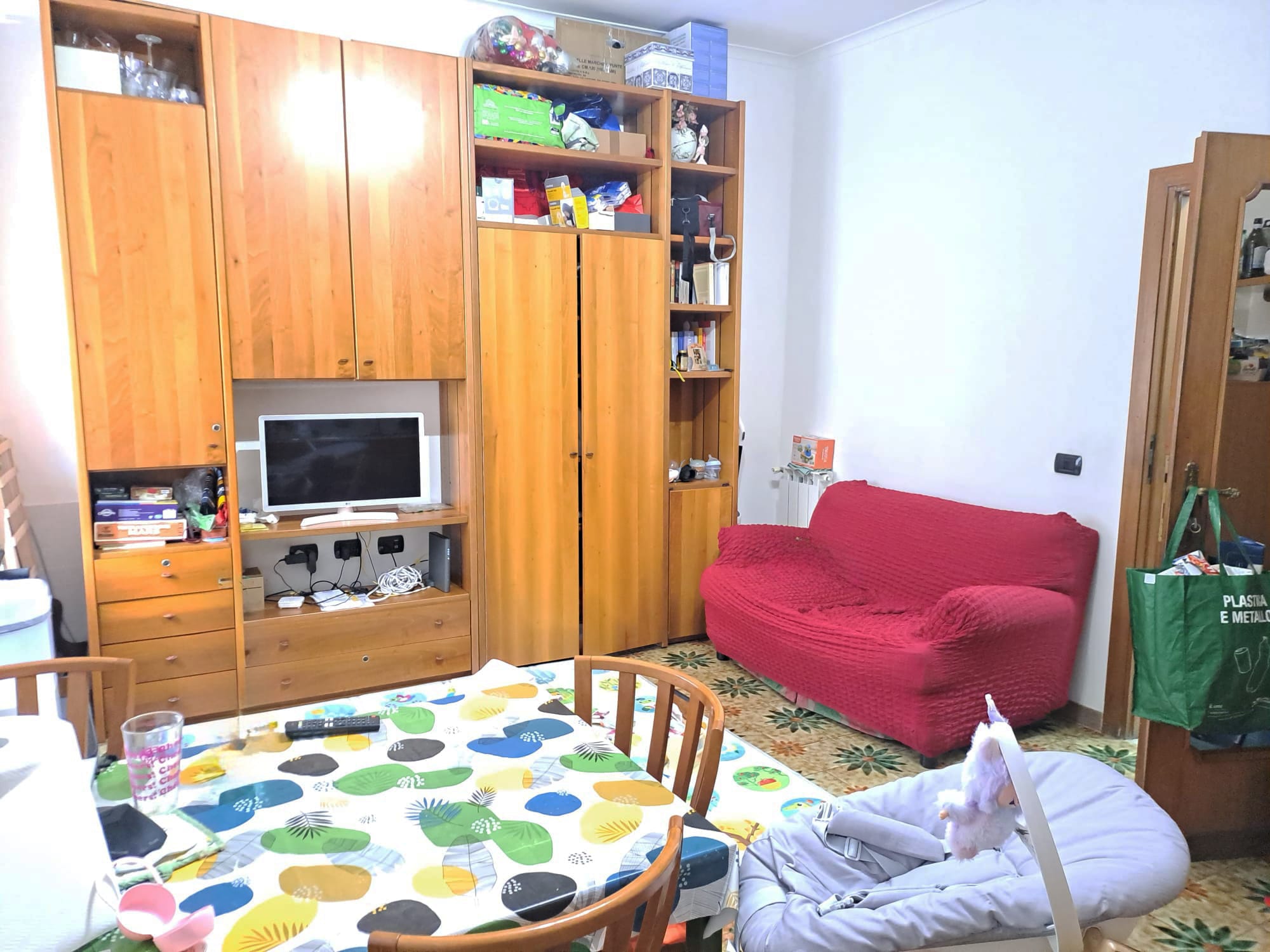
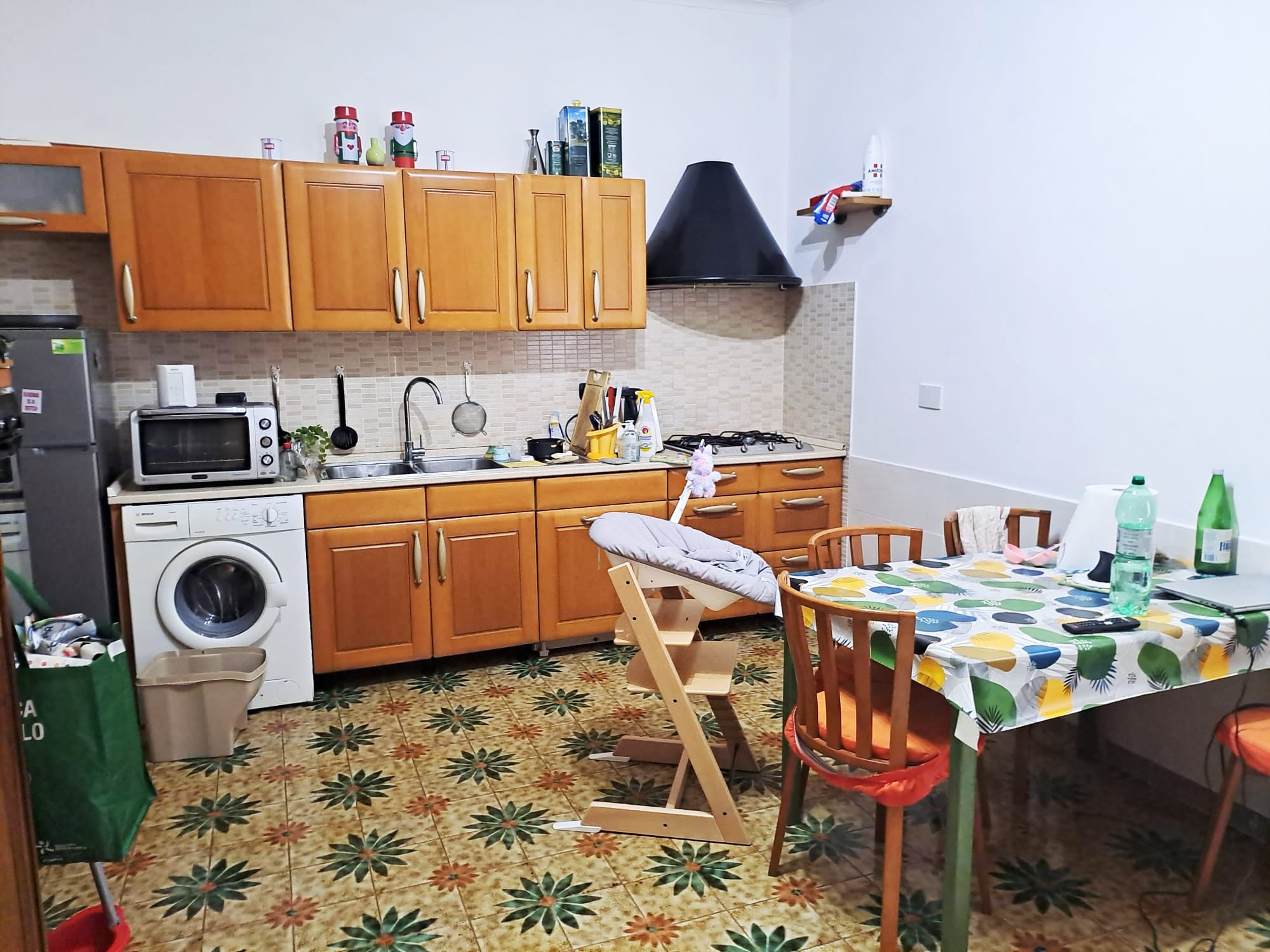
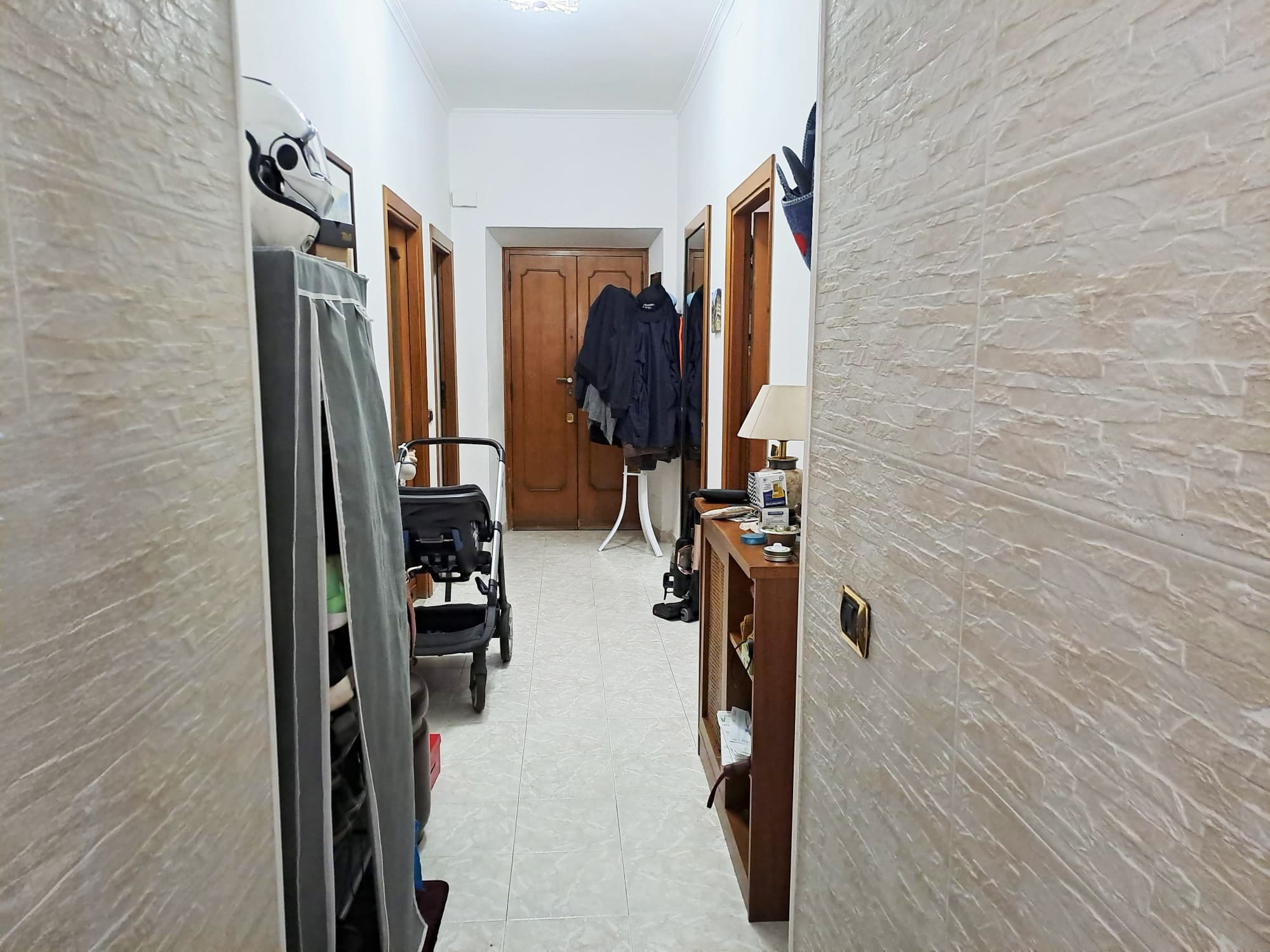
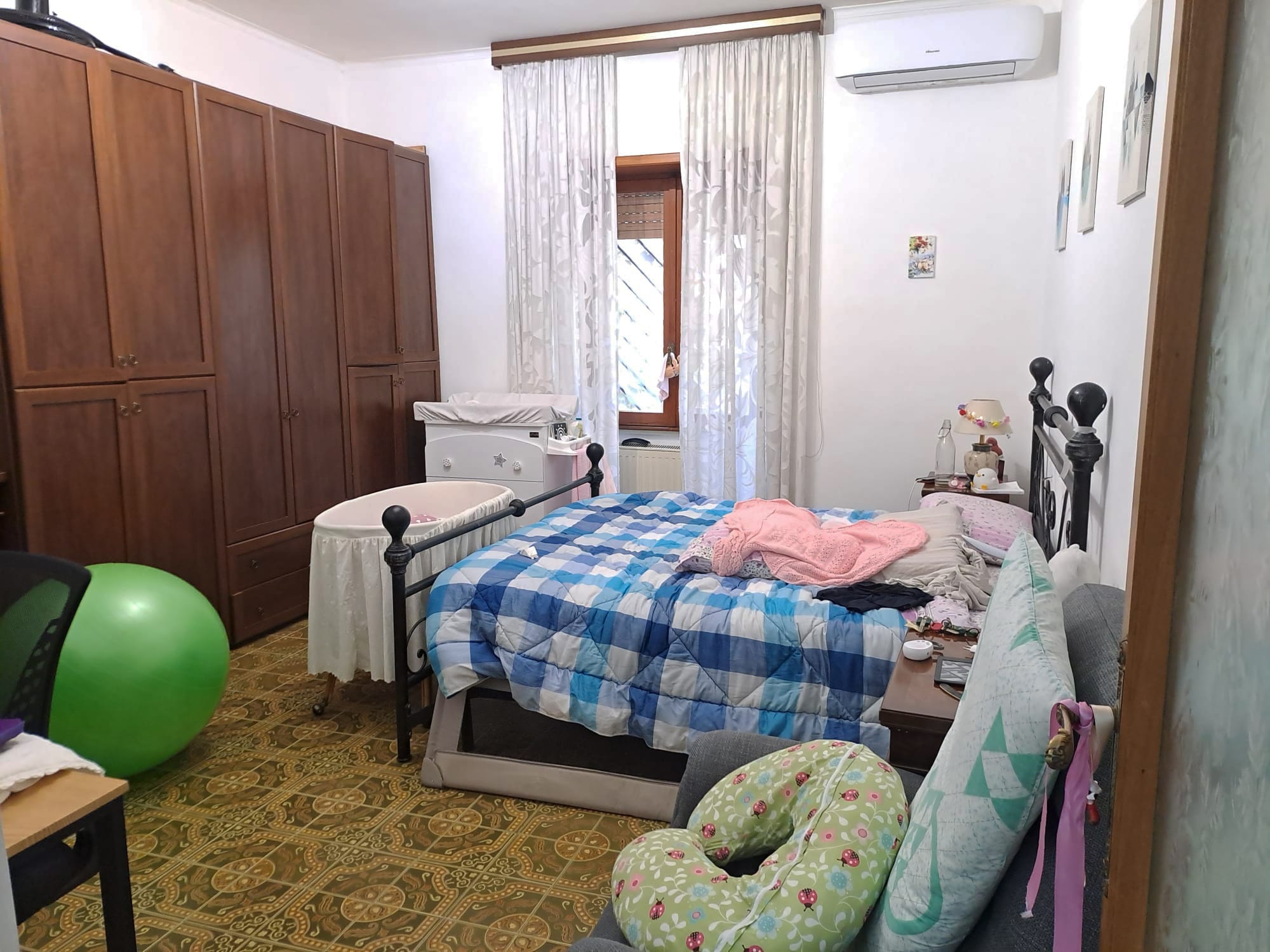
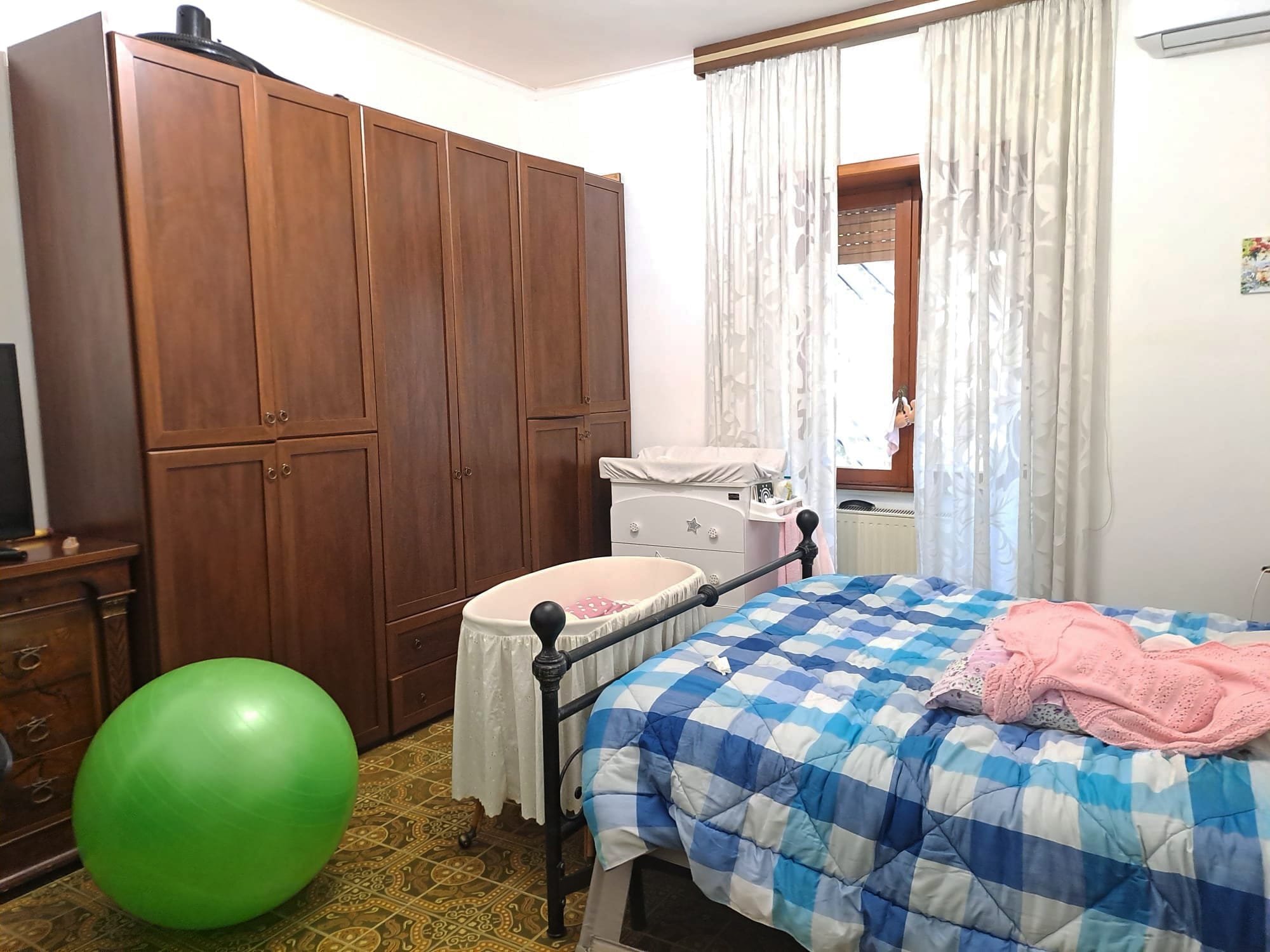
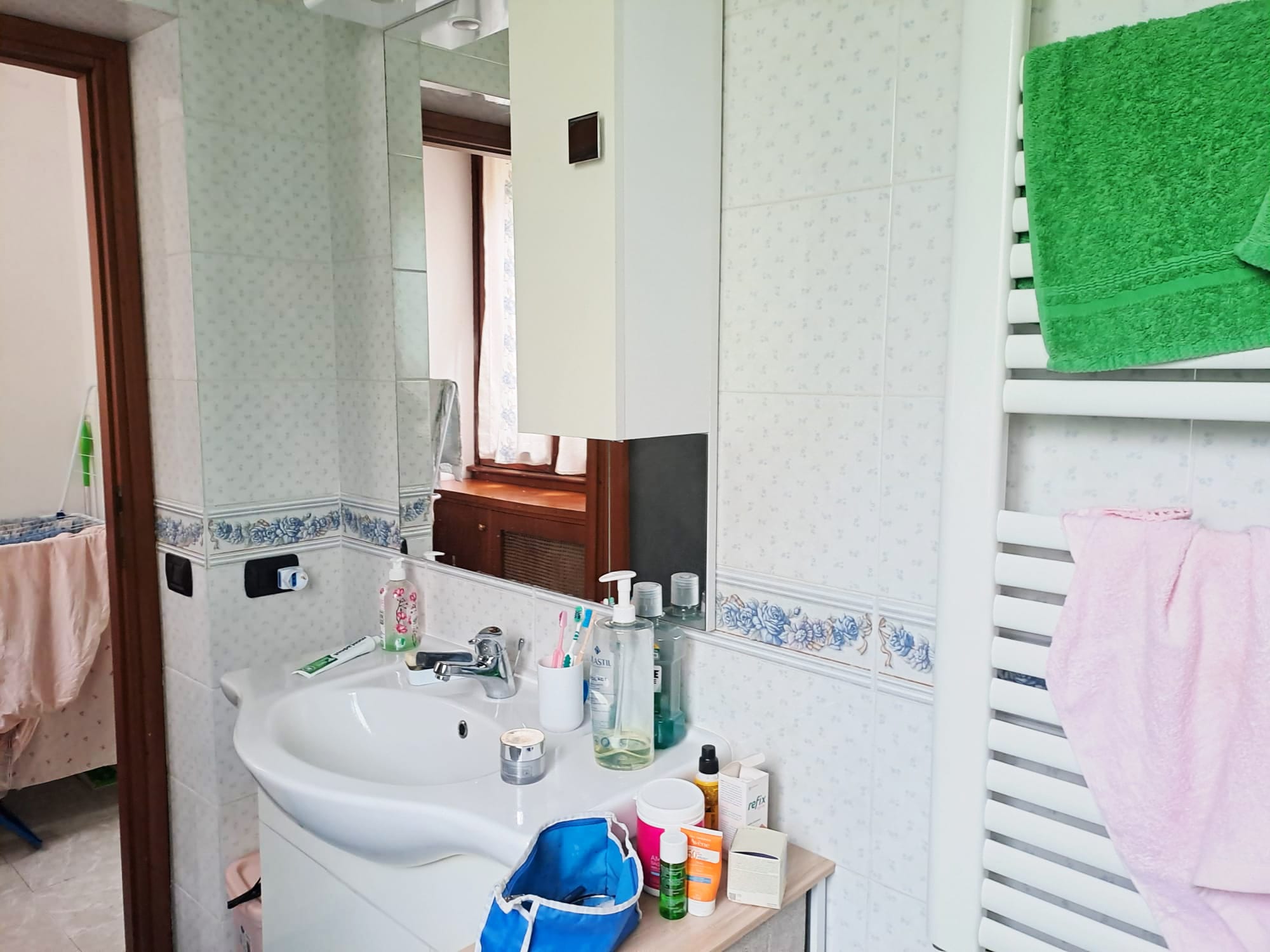
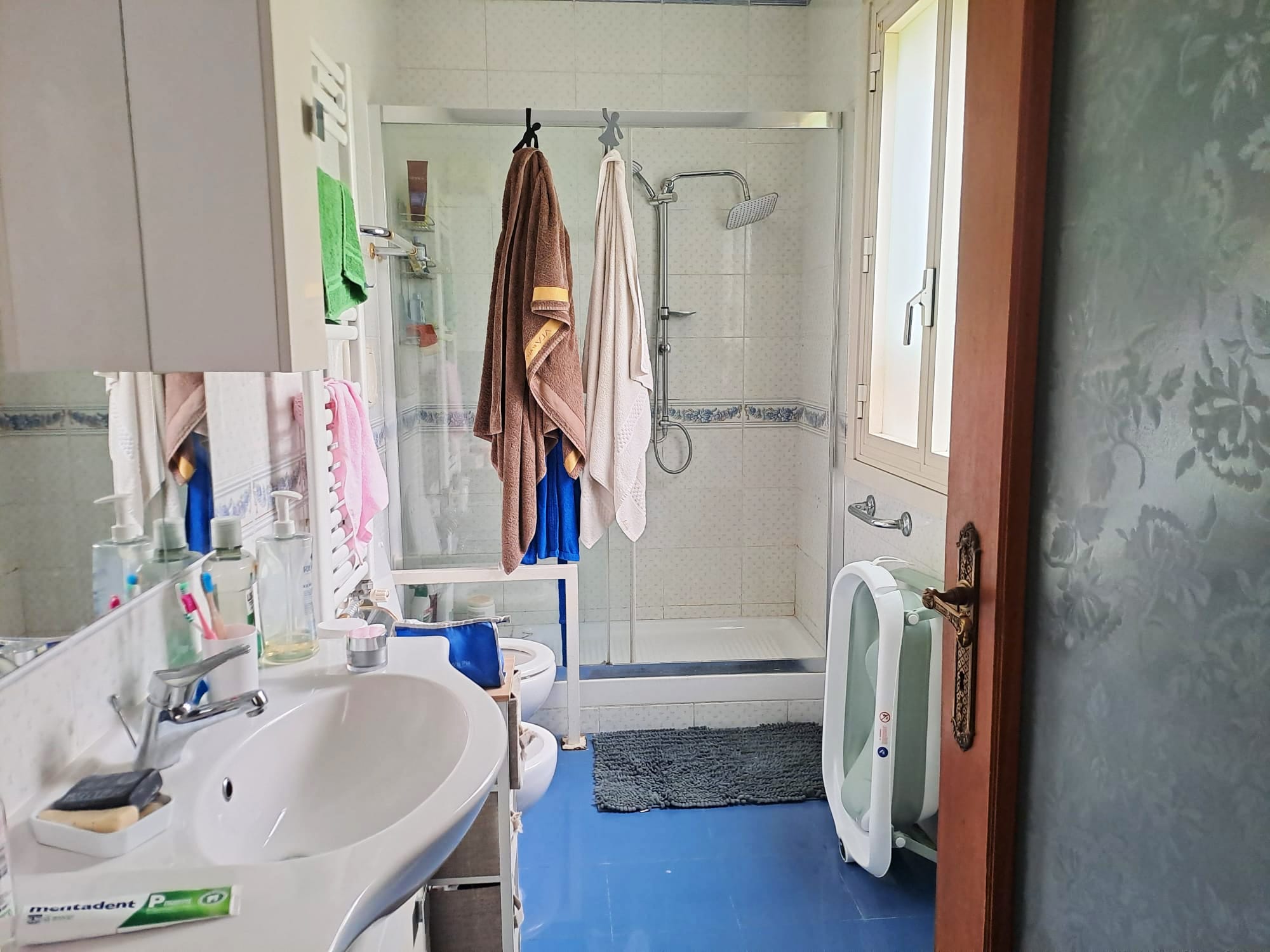
The property is composed as follows: entrance, connecting corridor, large living area with living room and fully furnished and equipped open kitchen, two double bedrooms, of approximately 23.00 m2 each, and large bathroom with shower.
The apartment will be available from next July 1st.
The condominium expenses, including water utilities, amount to €100.00 per month.
Unrepeatable opportunity.
DETAILS
Appius Latinus
Via Metaponto
Residential rental
Ground Floor
90.00 m2
Furnished
Air-conditioned
THE AREA: APPIO LATINO
The Appio-Latino Quarter is located between the Via Appia Antica and the Via Appia Nuova, and hosts the first stretch of the Via Latina, and it is for these reasons that it took the name of the Appio-Latino Quarter.
The fact that it hosts an entire side of the Via Appia Antica, i.e. the Regina Viarum, could make it almost superfluous to say that there are countless remains of Ancient Rome in this neighborhood. It is in fact in the Appio-Latin Quarter that, formally, the Mausoleum of Cecilia Metella is located, one of the symbols of the tombs that once lined the Appia Antica, so the Catacombs of Pretestato are a symbol of how the Via had a great importance in the Christian communities of the first centuries.
The Via Appia Antica originated from Porta Capena, a gate of the Servian Walls located between the Caelian Hill, the Palatine Hill and the Aventine Hill, from there it continued up to the current Porta San Sebastiano, then reached Ariccia, the Foro Appio, Anxur (Terracina), Fondi, Itri, Formia, Minturno, Sinuessa (Mondragone) and then Capua, from which it then continued up to Brindisi.
However, this is not the only place of importance in the Appio-Latino Quarter: we come to the area immediately outside Porta Metronia. Porta Metronia, in the Aurelian Walls, had the function of a posterula, that is, a door of lesser importance, more for functions of lesser use than a triumphal entrance into Rome. Outside Porta Metronia there were mainly camps, until, in 1910, the Mayor of Rome Ernesto Nathan had the Borgata Metronia built, following the demolitions of the time, one of the temporary villages, together with the one along Via Castrense and the one along Via della Ferratella, today Via dell'Amba Aradam, to accommodate displaced people. The PRG of 1908 planned the expansion of the neighborhood, with the design of the major road axes: Via Magna Grecia, Via Gallia and Piazza Tuscolo, Via Britannia and Via Etruria.
The Metronia hamlet remained intact until 1936-1937, years in which the residents were sent to the new hamlet of Pietralata and in which Appio Latino was becoming a residential neighborhood.
In fact, in those years, many villas were built in this area, especially in Via Gallia and Via Latina, while for some years the Cines film studios had been built towards the current Via Veio, which burned down in 1935. Also in the neighborhood, near the Ponte della Ranocchia, there were also other film studios, such as those of Caesar Film.
In this area there were many country inns before building speculation arrived: there was that of the Cave, and that of the Cessati Spiriti, near which the Bruni Foundry was later built.
Important popular complexes arose in the area, such as the magnificent ICP Appio I Complex in Piazza Tuscolo, the famous "Roman Barocchetto" by Camillo Palmerini, and other valuable buildings, such as the Palazzo della Tirrenia in Via Sannio.
Over the decades, urbanization and building speculation have made this area increasingly densely populated.
Today the Appio-Latino Quarter is divided into two parts: the one along the Appia Antica, part of the Appia Antica Regional Park, is a vast green expanse, very rich in archaeological remains and thus connected to the suggestive Caffarella Park, and another part, the one that Porta Metronia reaches Largo dei Colli Albani, with a very high population density, completely urbanized, and extremely similar and in continuity with the Tuscolano Quarter.
Price
€ 1.000
- Loading...
Price
€ 1.000
Suggested for you


Immobili di Prestigio srl | P.IVA 05984961002