

- Loading...
A Private Refuge in the Heart of Rome
ROME, San Giovanni in Laterano, Via Locri. A few steps from the majestic Basilica of San Giovanni in Laterano, a rare residence is hidden: a house that is a secret, revealed only to those who know how to listen.
- Ref. HMK33
- 240 sqm.
- 3 Bedrooms
- 3 Bathrooms
ROME, San Giovanni in Laterano, Via Locri. There are places in Rome that seem to hold their breath, corners where history lowers its voice and lets beauty speak. A few steps from the majestic Basilica of San Giovanni in Laterano, a rare residence is hidden: a house that is a secret, revealed only to those who know how to listen.
Crossing the threshold means entering a world suspended between centuries. Built at the end of the eighteenth century, this residence has been reinterpreted with a contemporary sensitivity that respects and enhances its ancient soul. Light passes through the environments like a silent guide, revealing textures, colors and architectural gestures that tell a story of harmony and vision.
A Journey Between Spaces and Emotions:
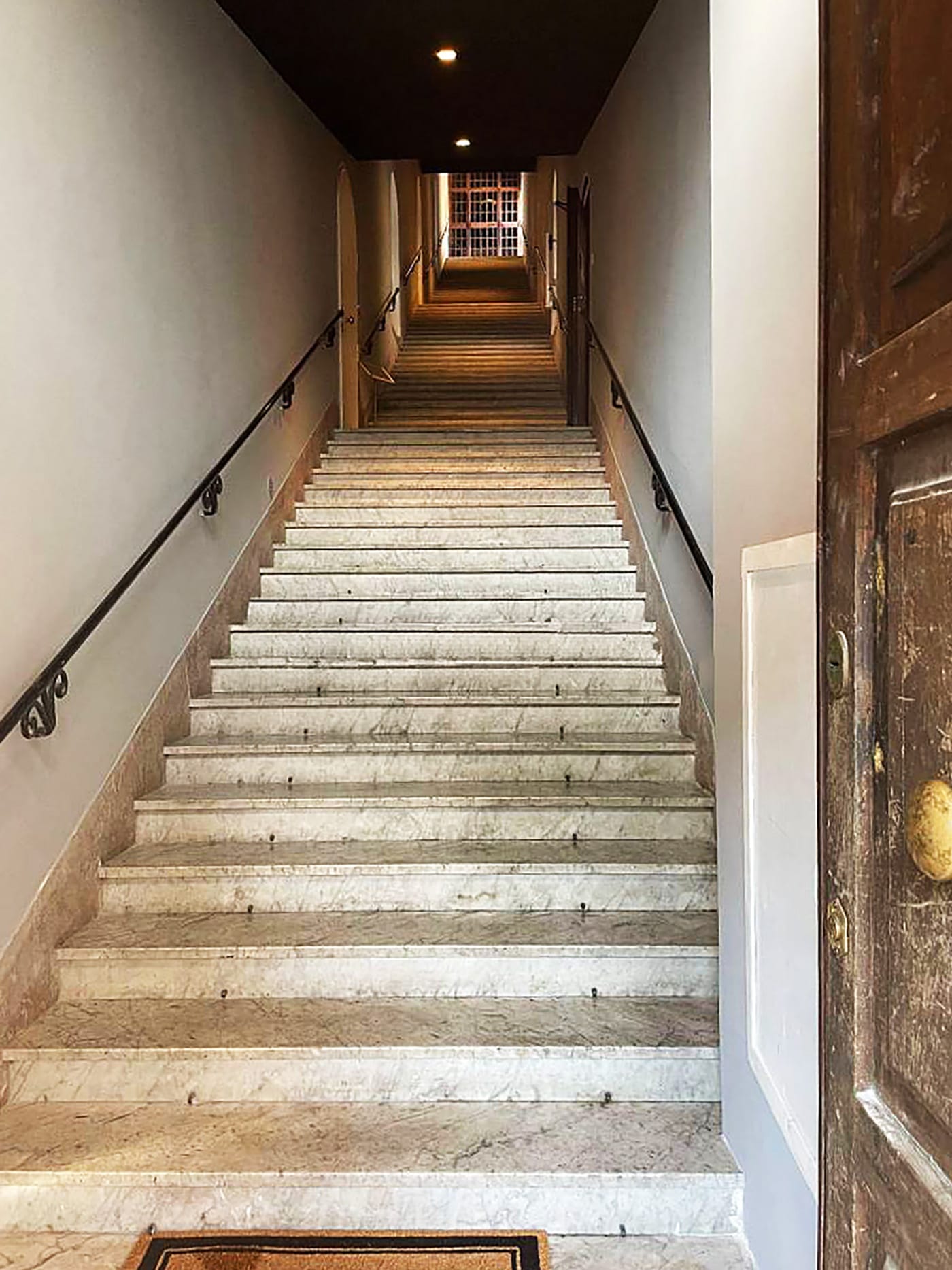
An elegant marble ramp, which deserves a separate description, leads to the beautiful residence.
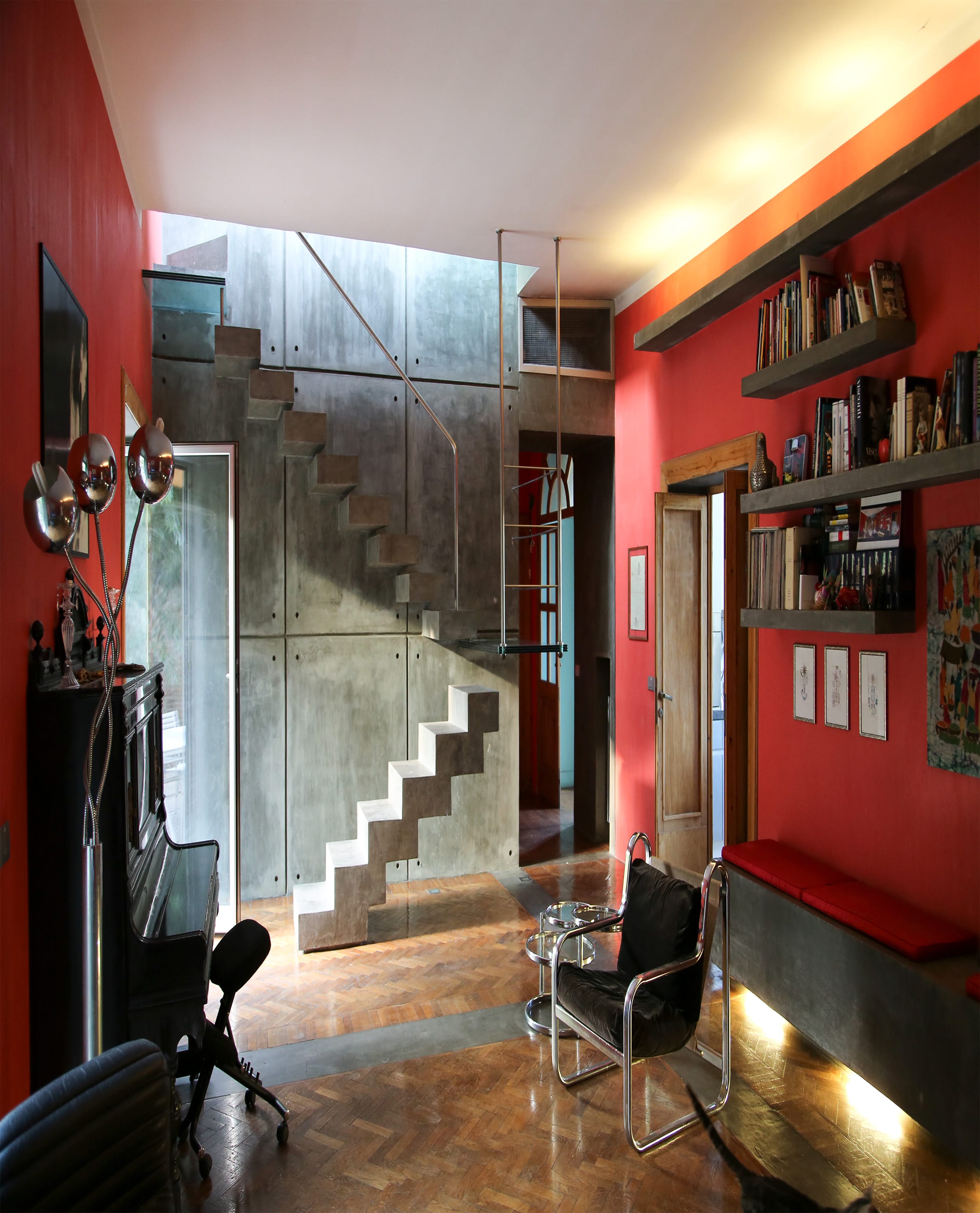
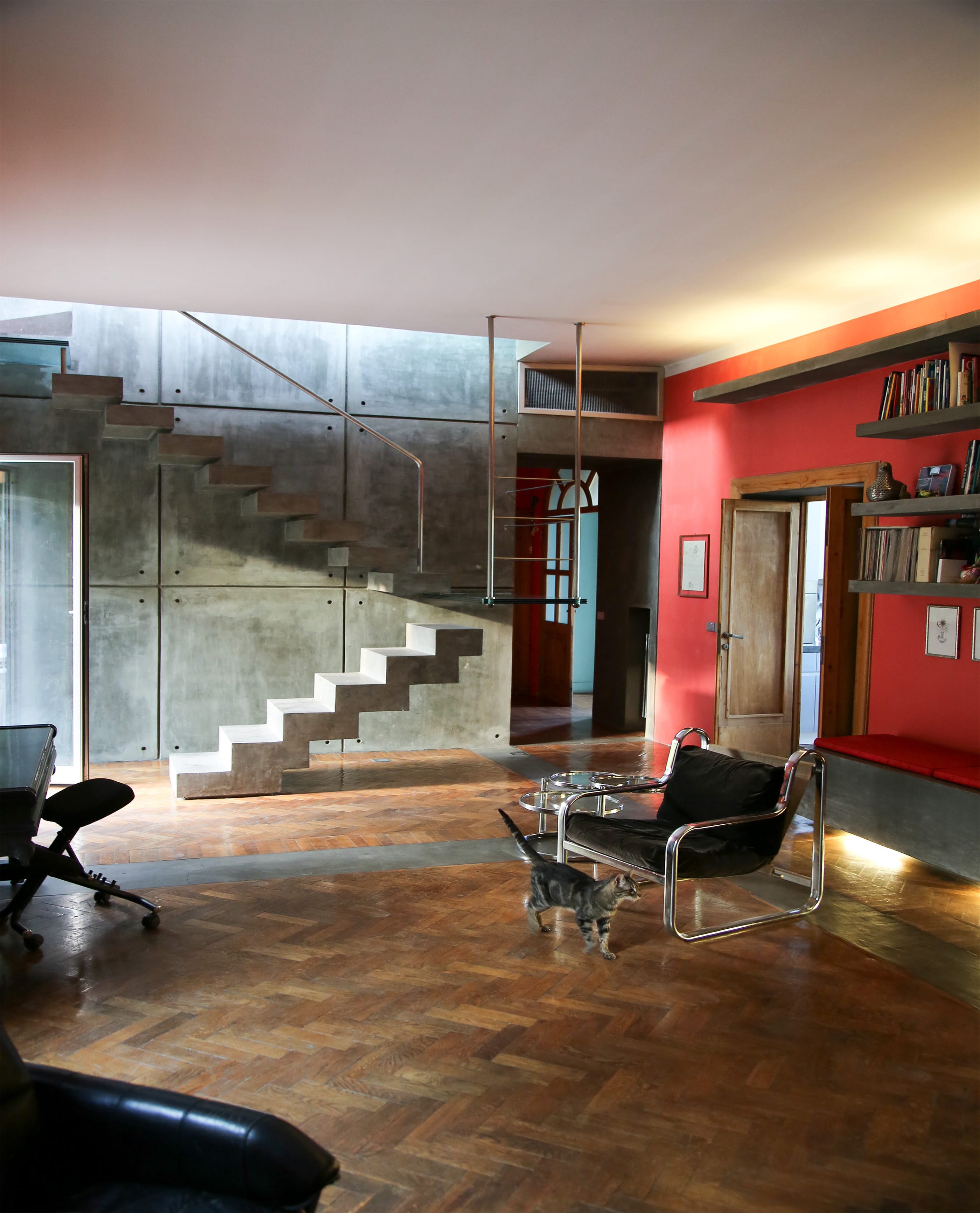
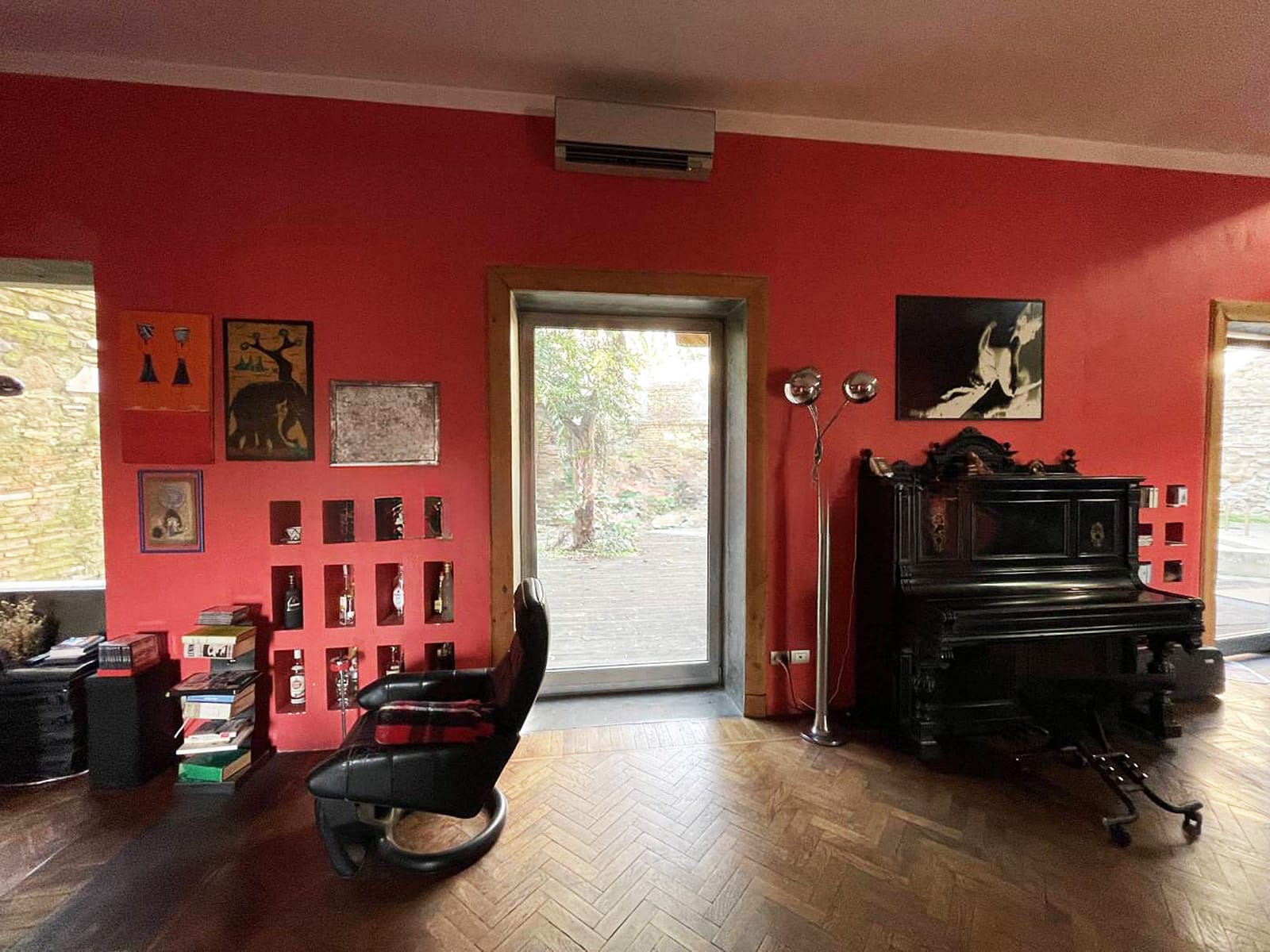
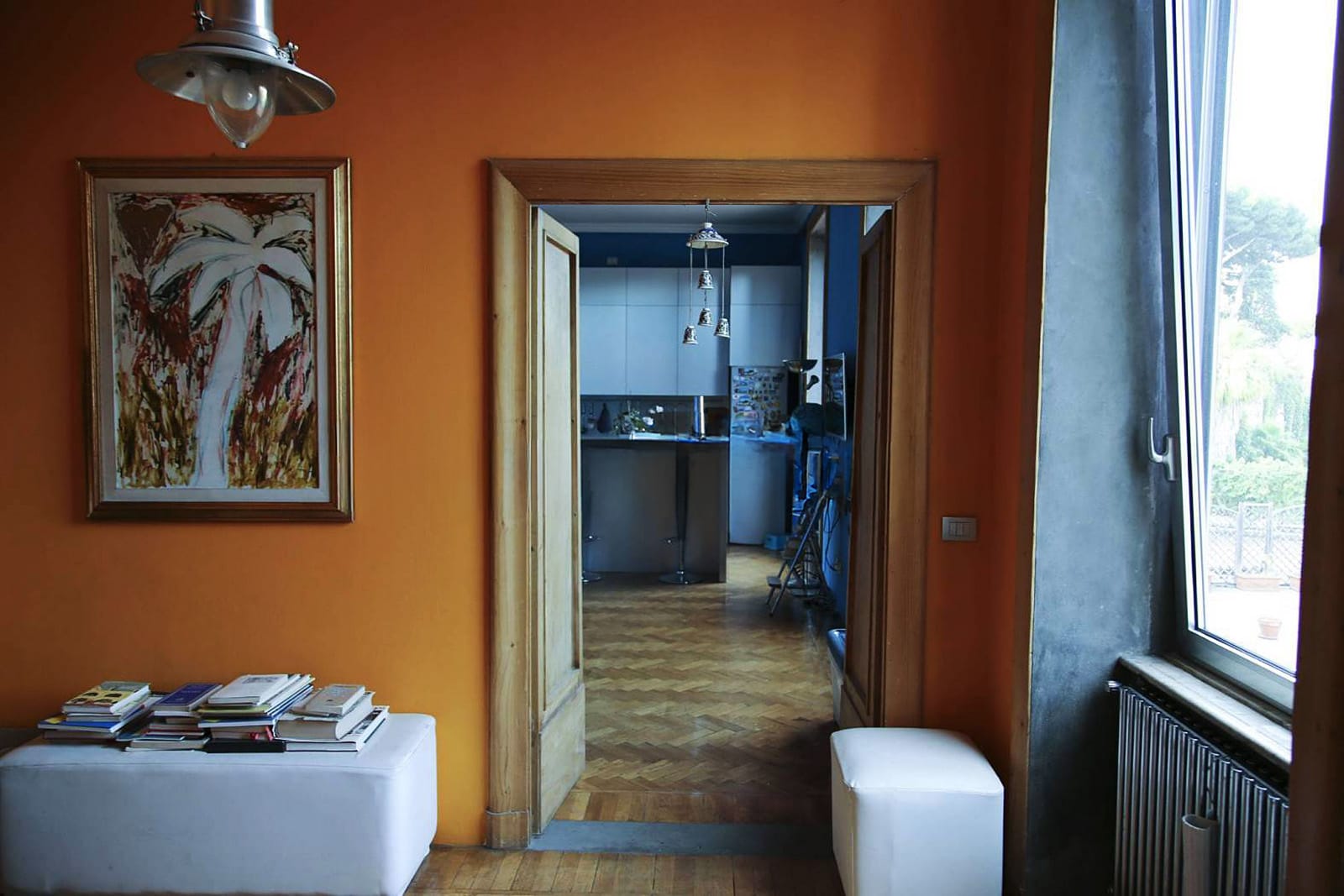
The double living room, through a bright entrance, opens like a warm embrace, designed for conversations that extend into the evening. It is an intimate and generous environment, where time seems to slow down.
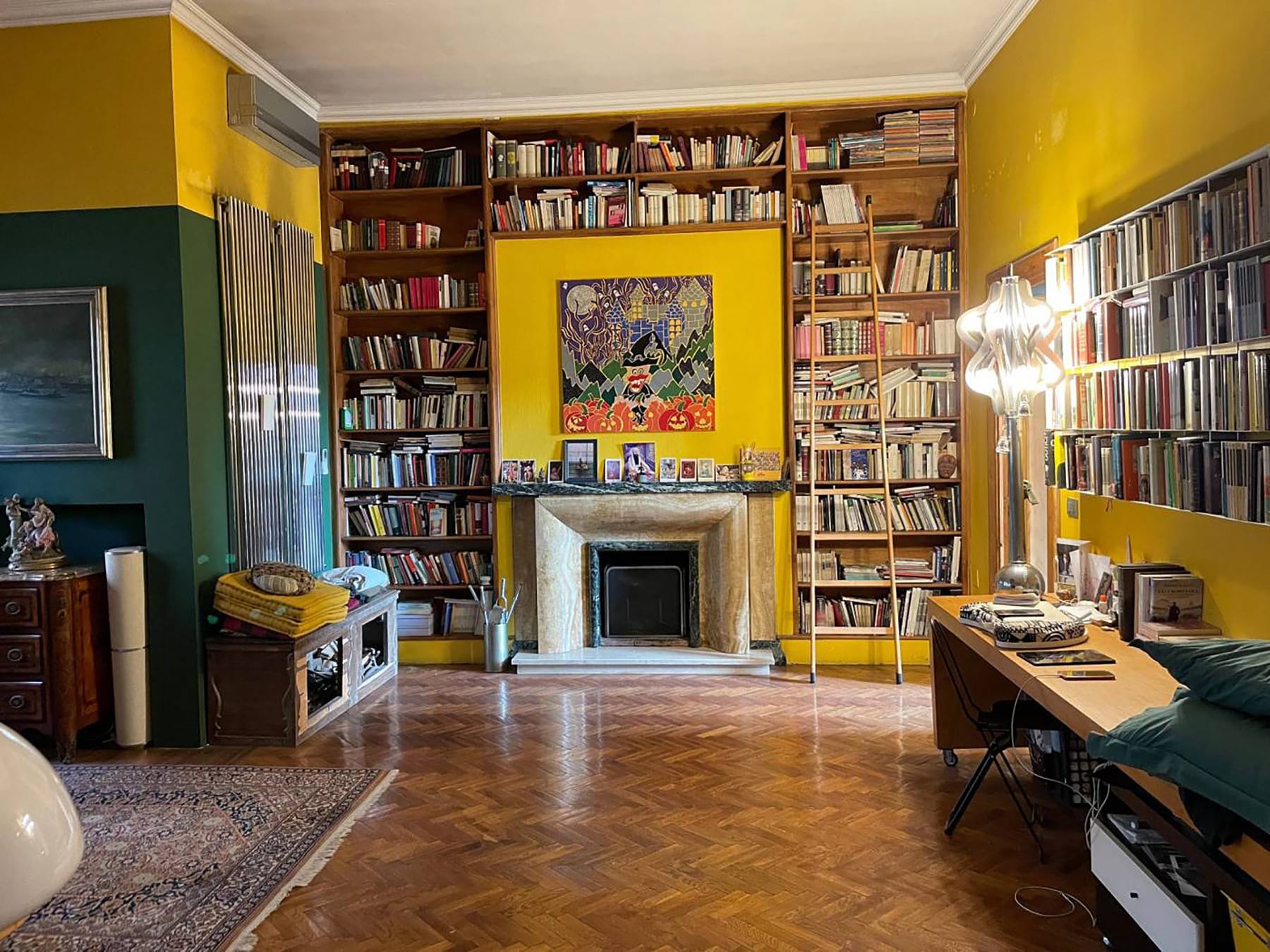
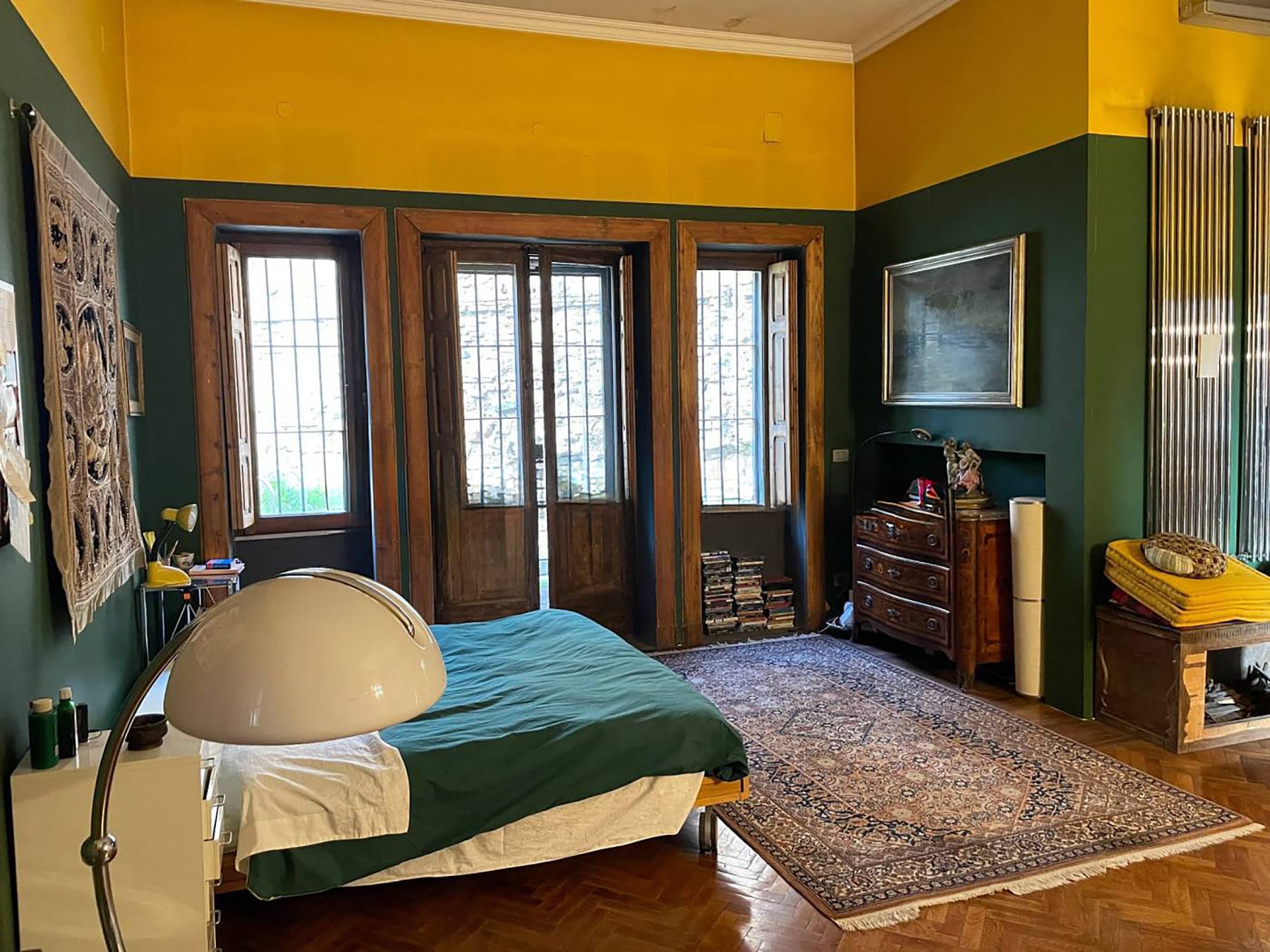
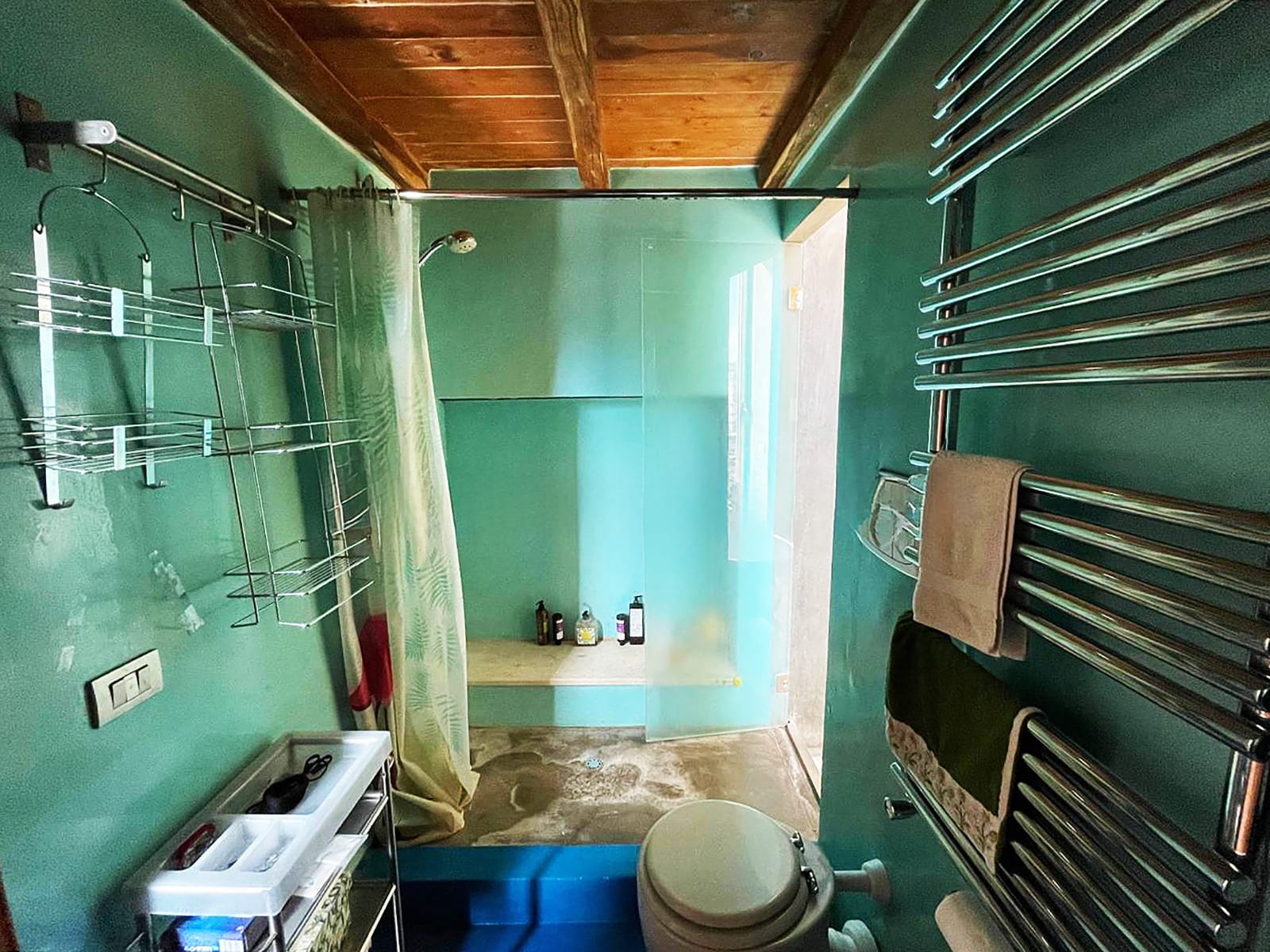
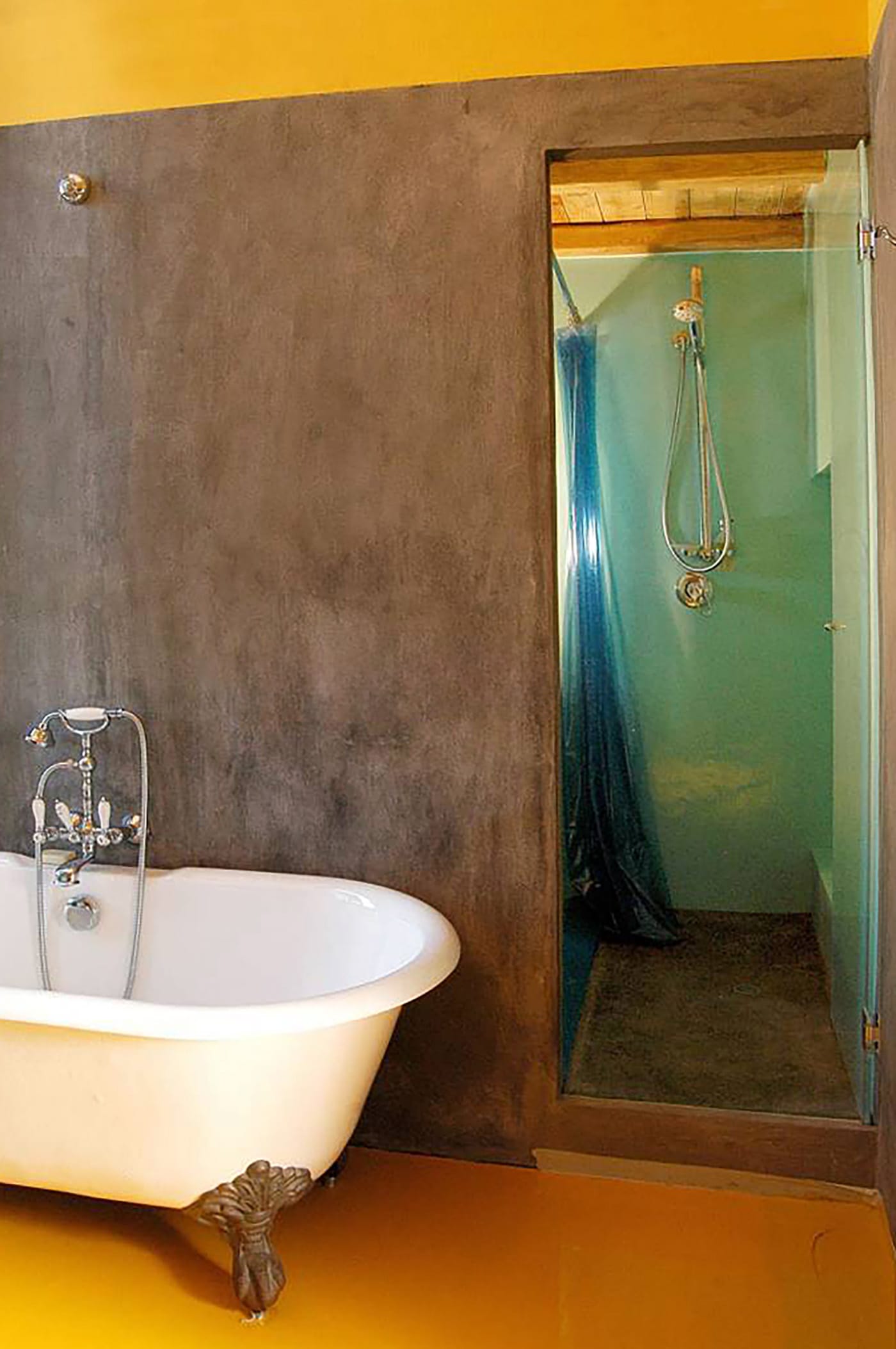
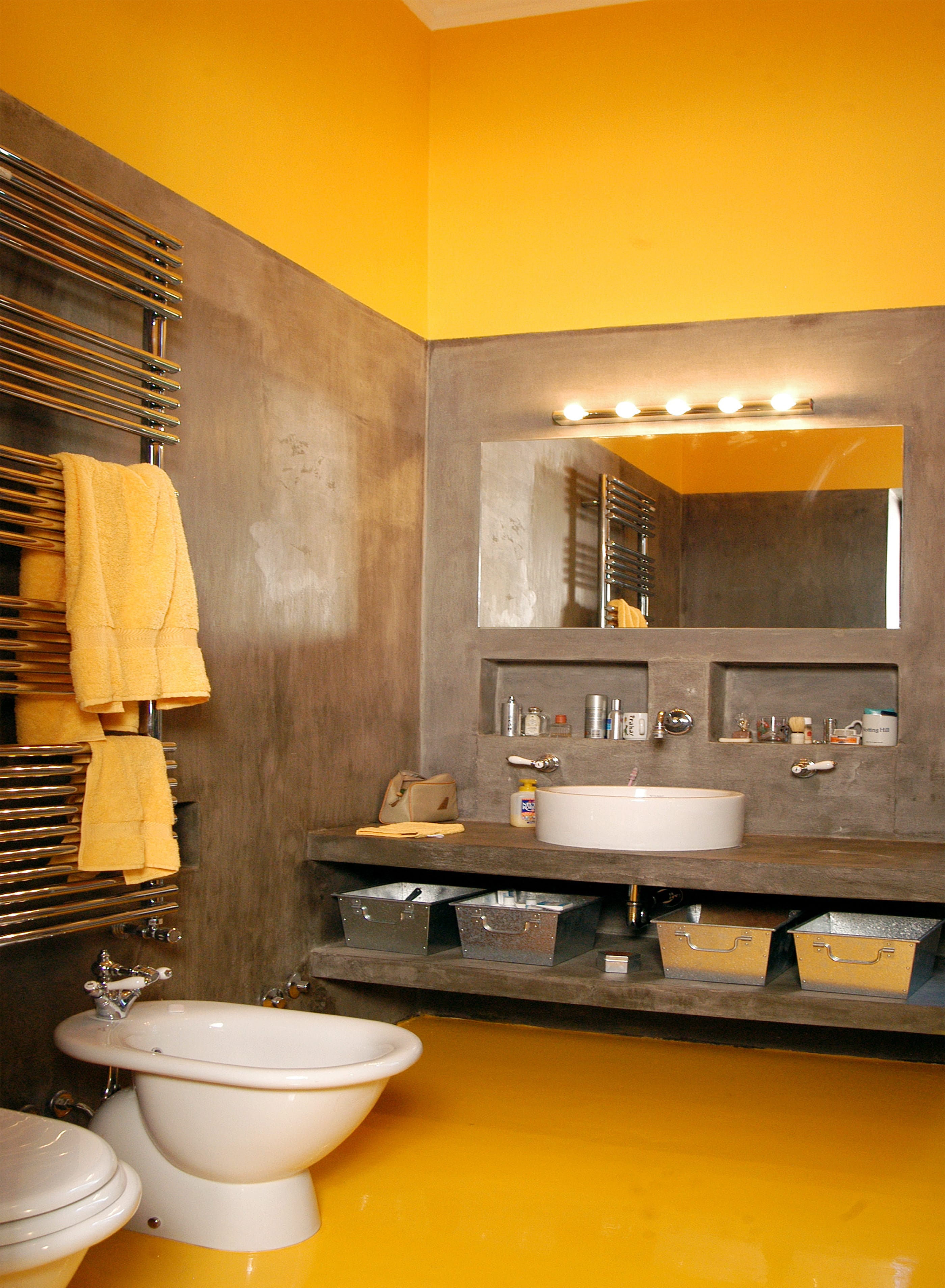
The master bedroom with polychrome marble fireplace, large wall-mounted bookcase and en-suite bathroom, is a haven of quiet, a place where serenity becomes a tangible presence. Here the mornings begin gently, with the city awakening in the distance.
The double bedroom with en-suite bathroom, bright and welcoming.
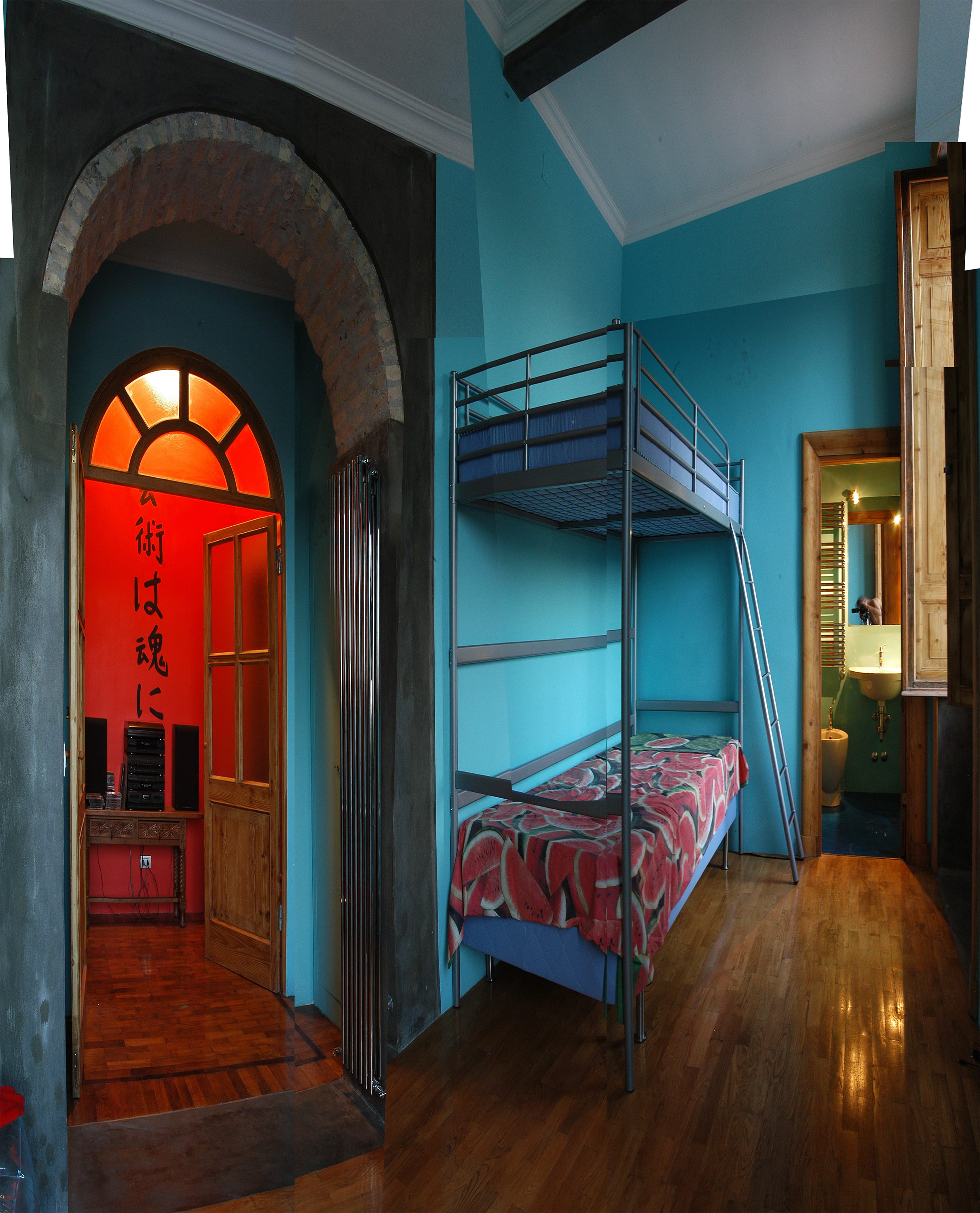
The guest room, currently used as a wardrobe, brings with it a playful, welcoming spirit full of personality. It is a space that makes guests feel not just visitors, but part of the history of the house.
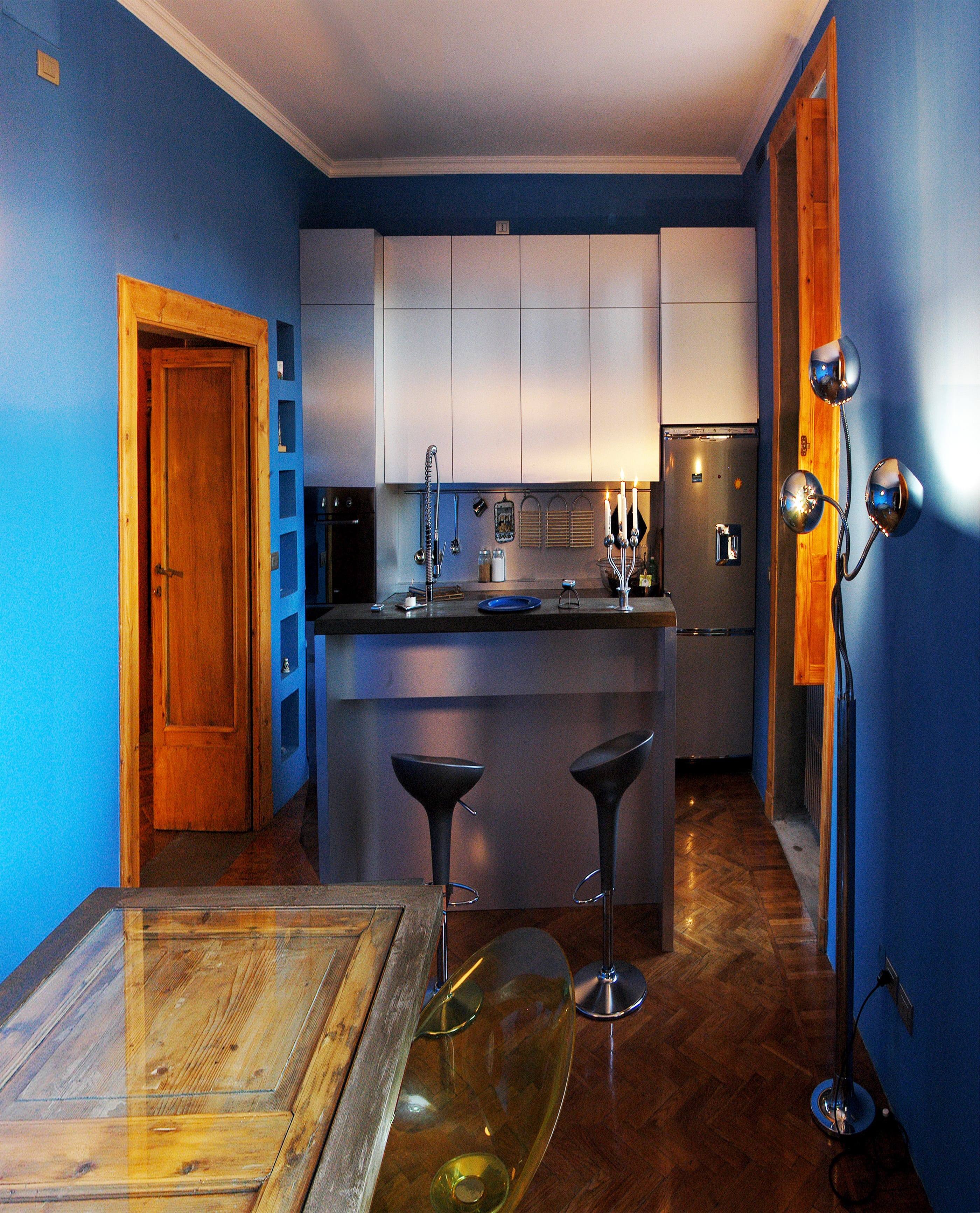
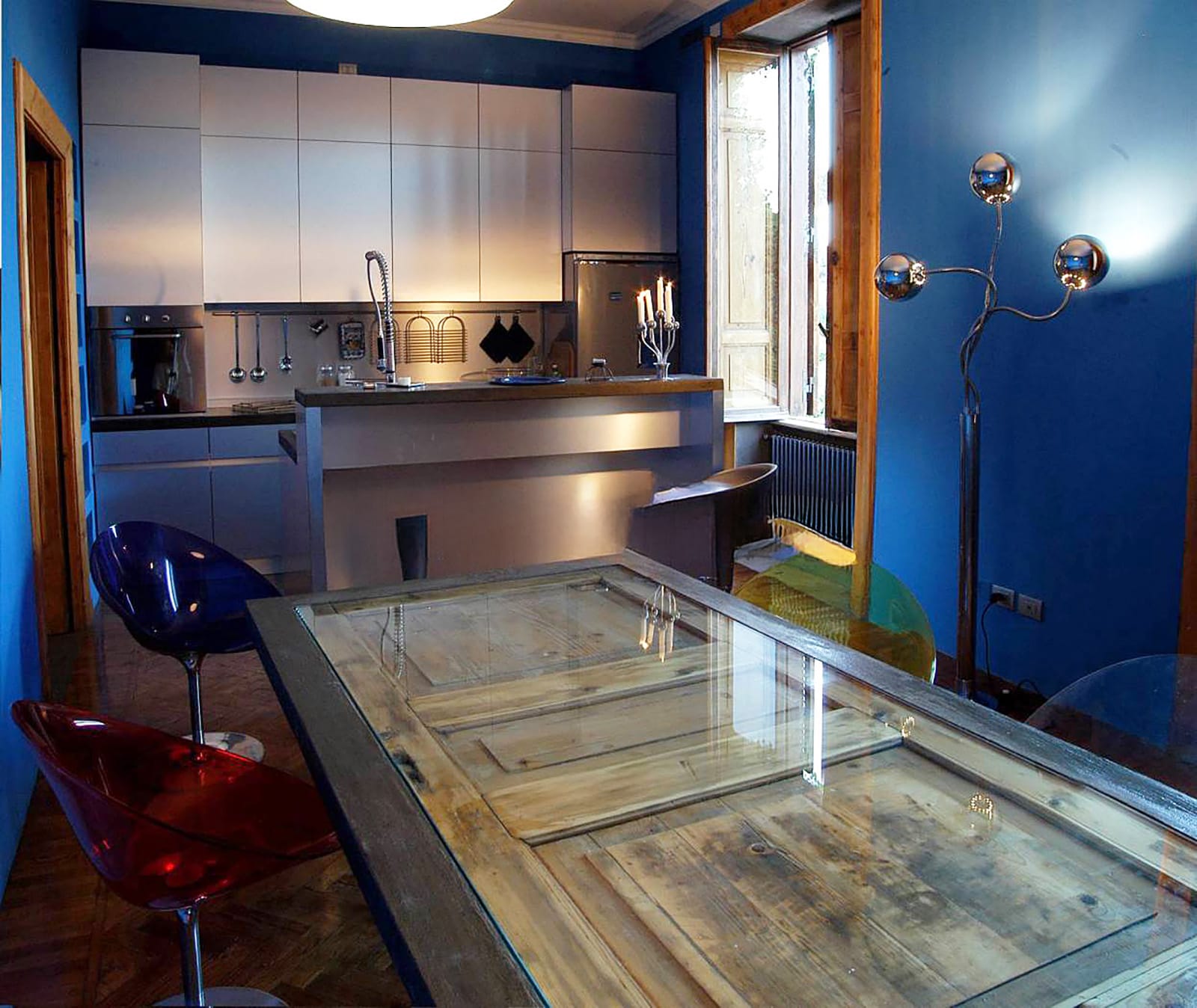
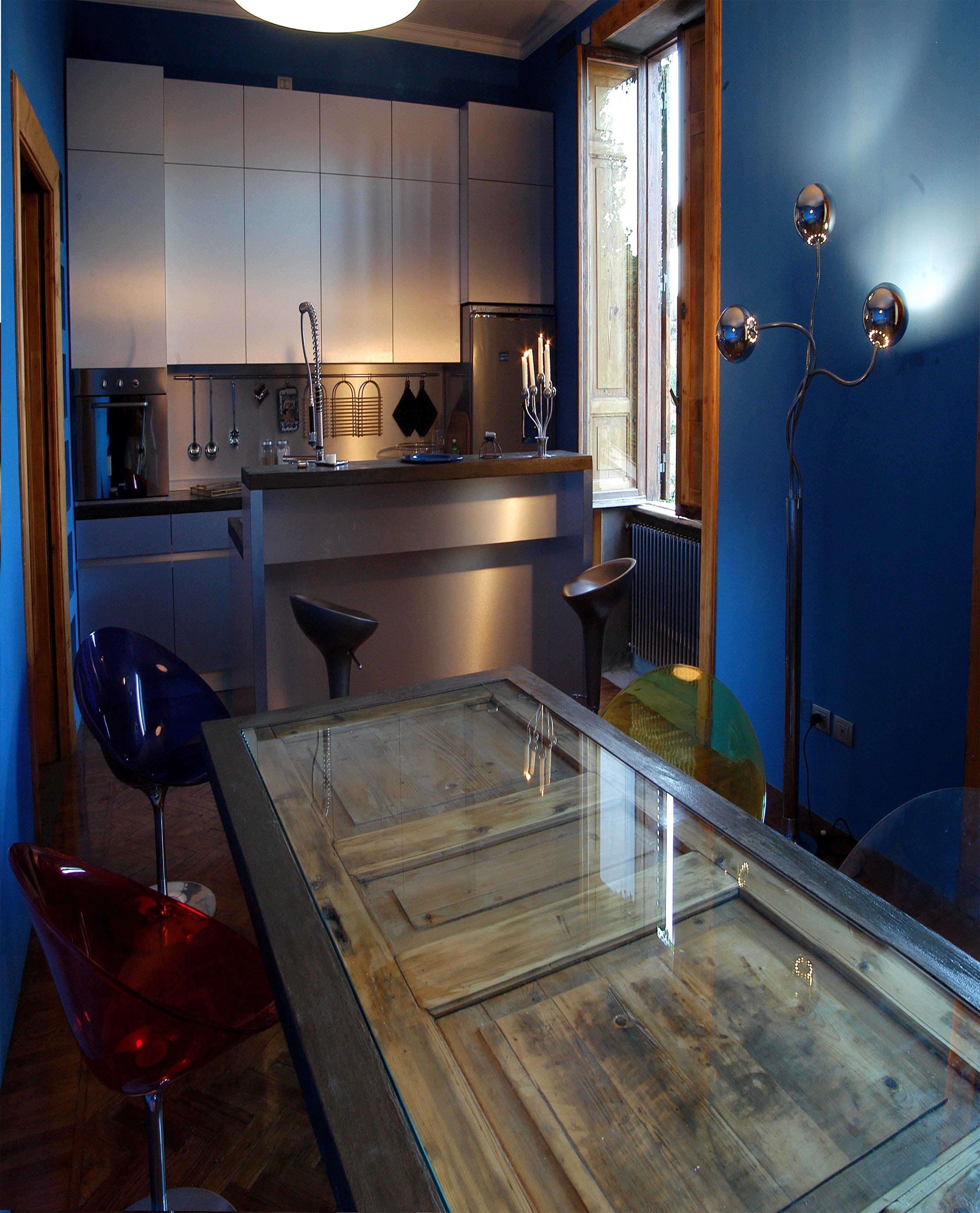
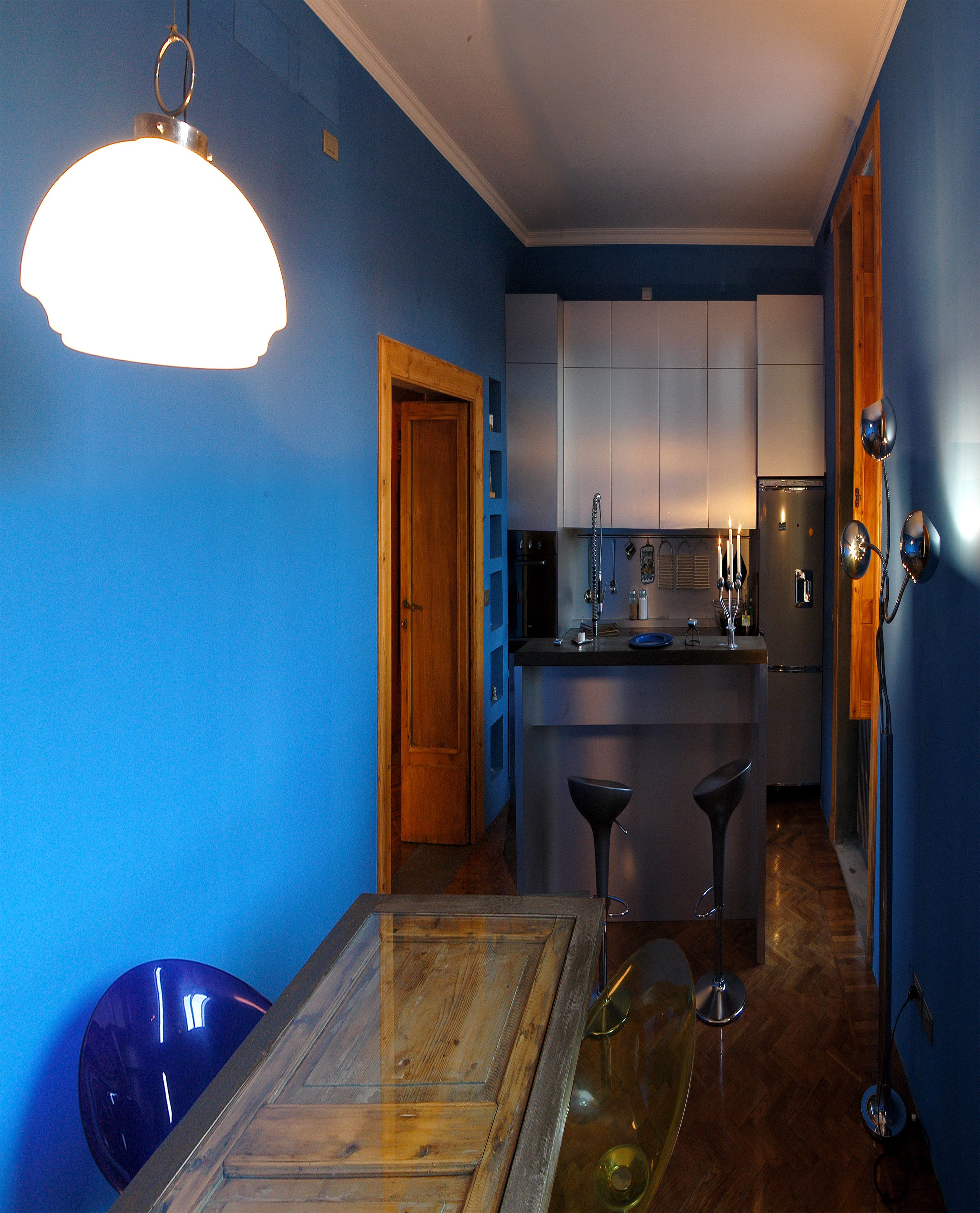
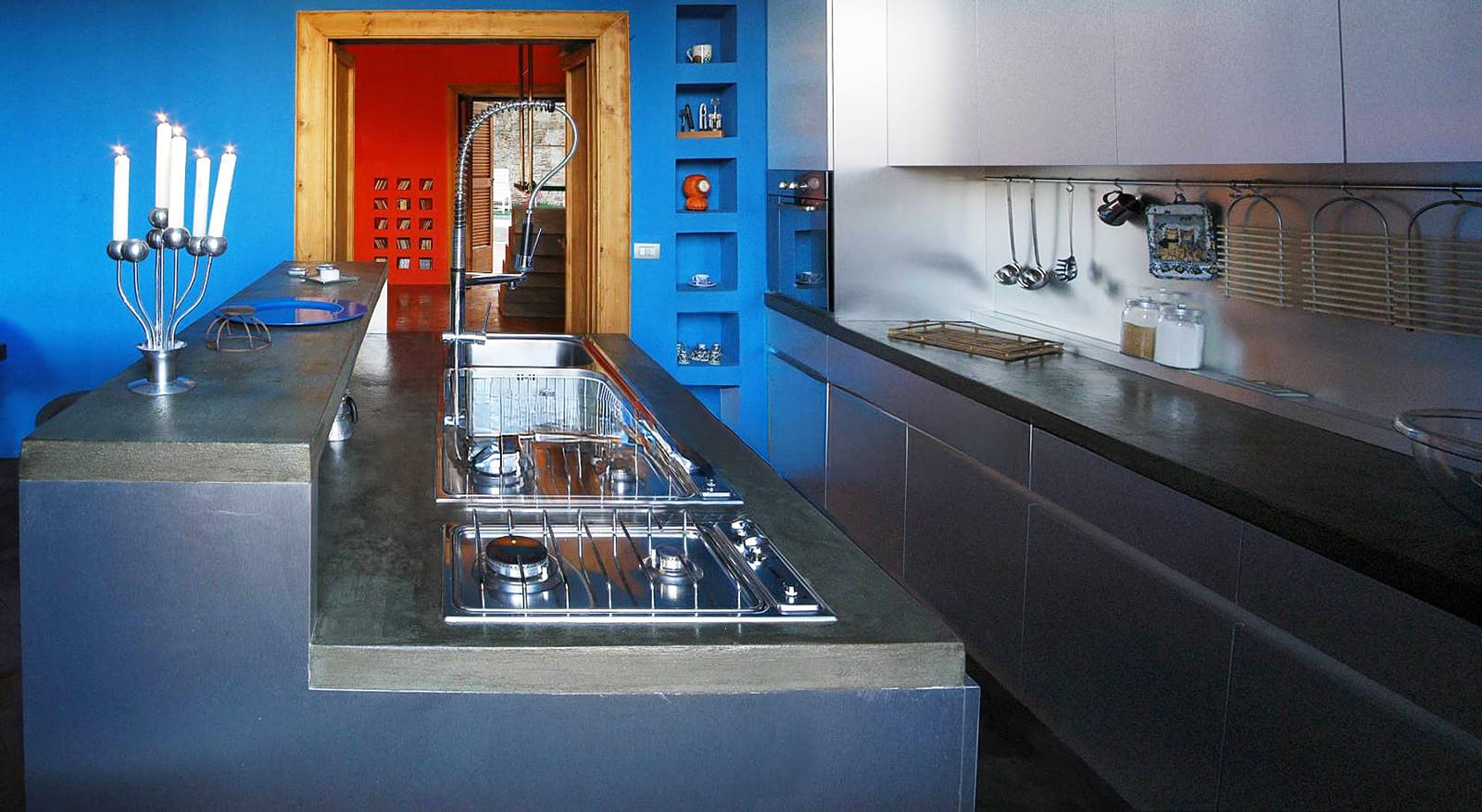
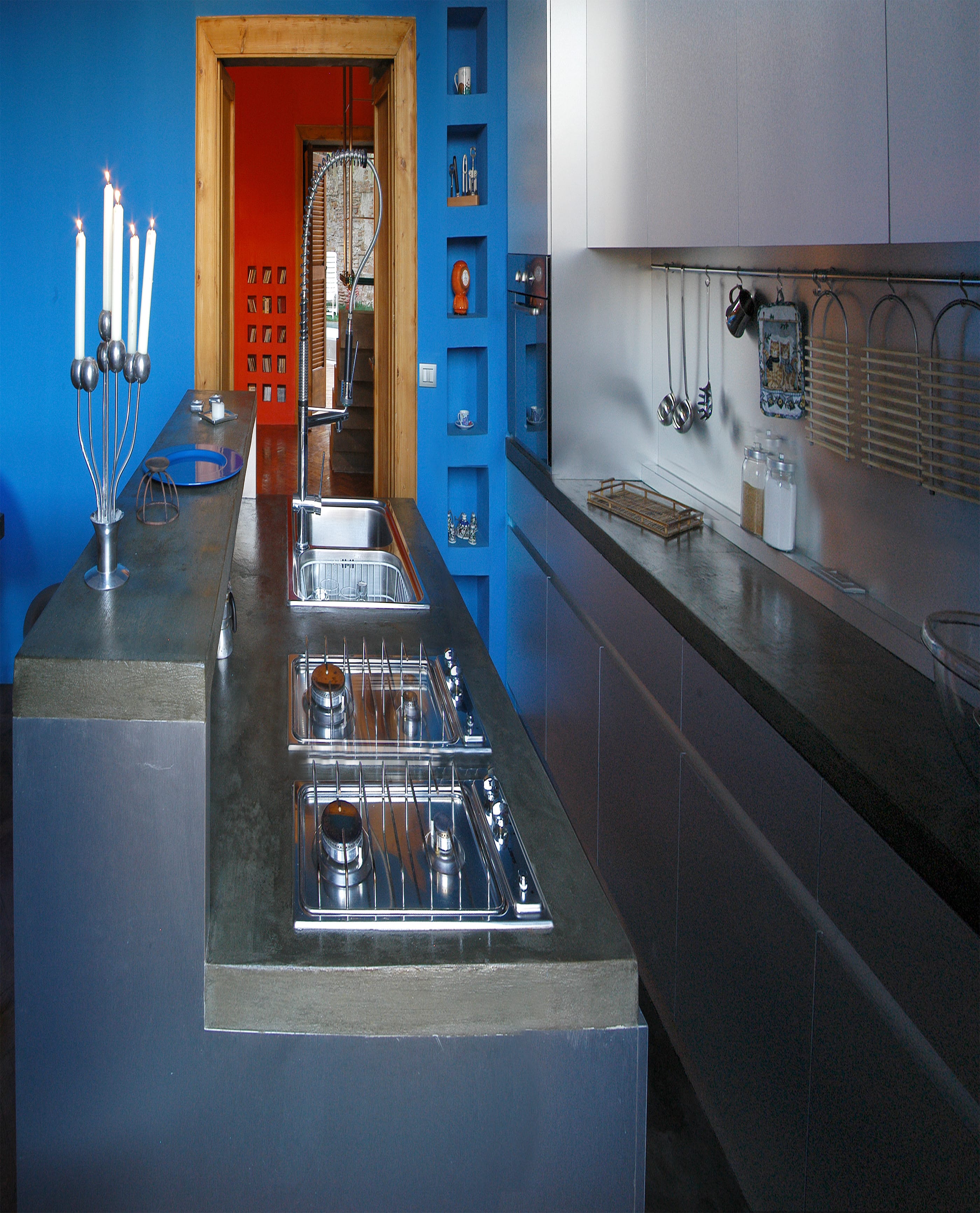
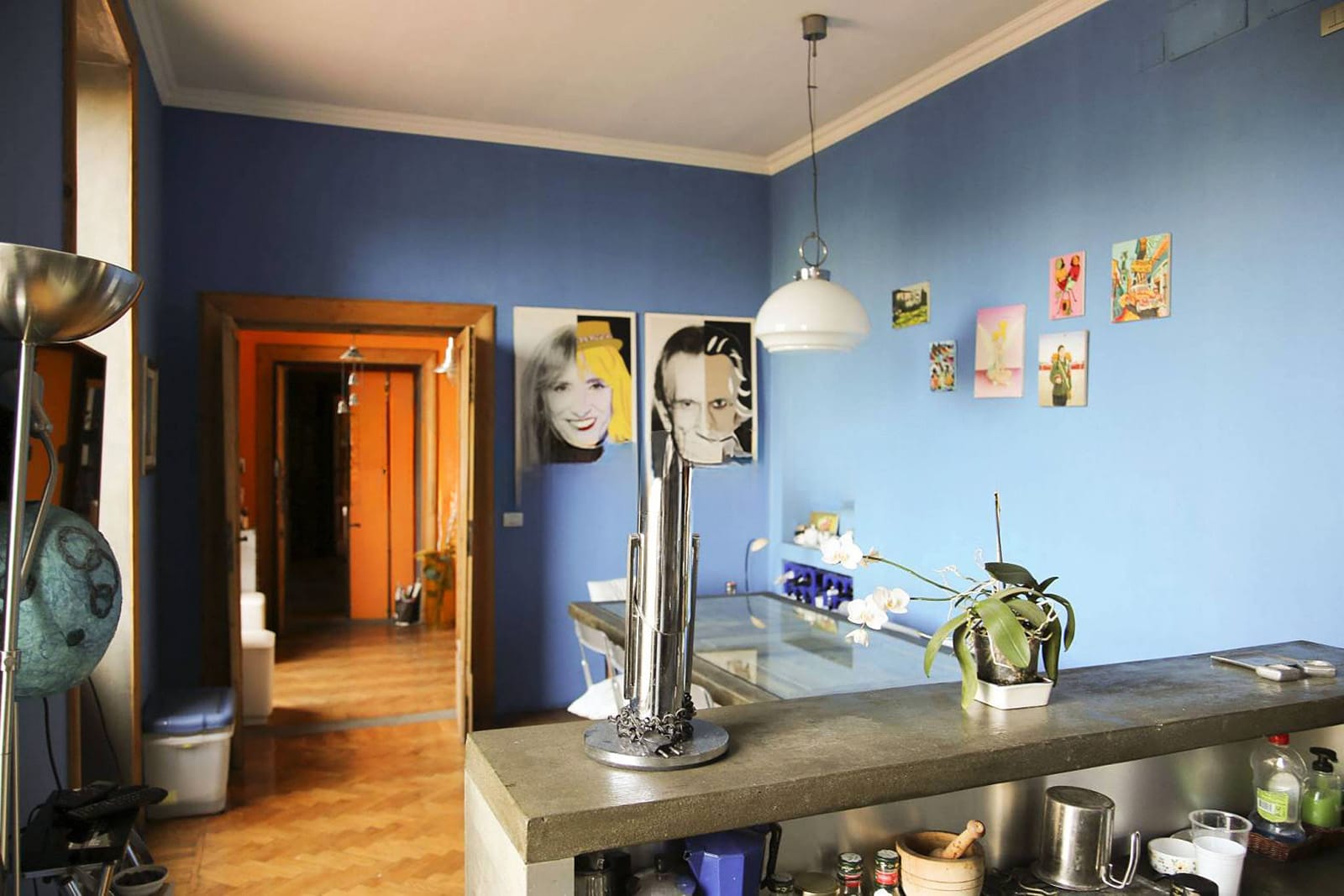
The kitchen, enveloped in deep shades of blue, evokes the purity of water. It is a place of ritual and creativity, where daily gestures are transformed into moments of pleasure.
A View That Belongs Only to You:
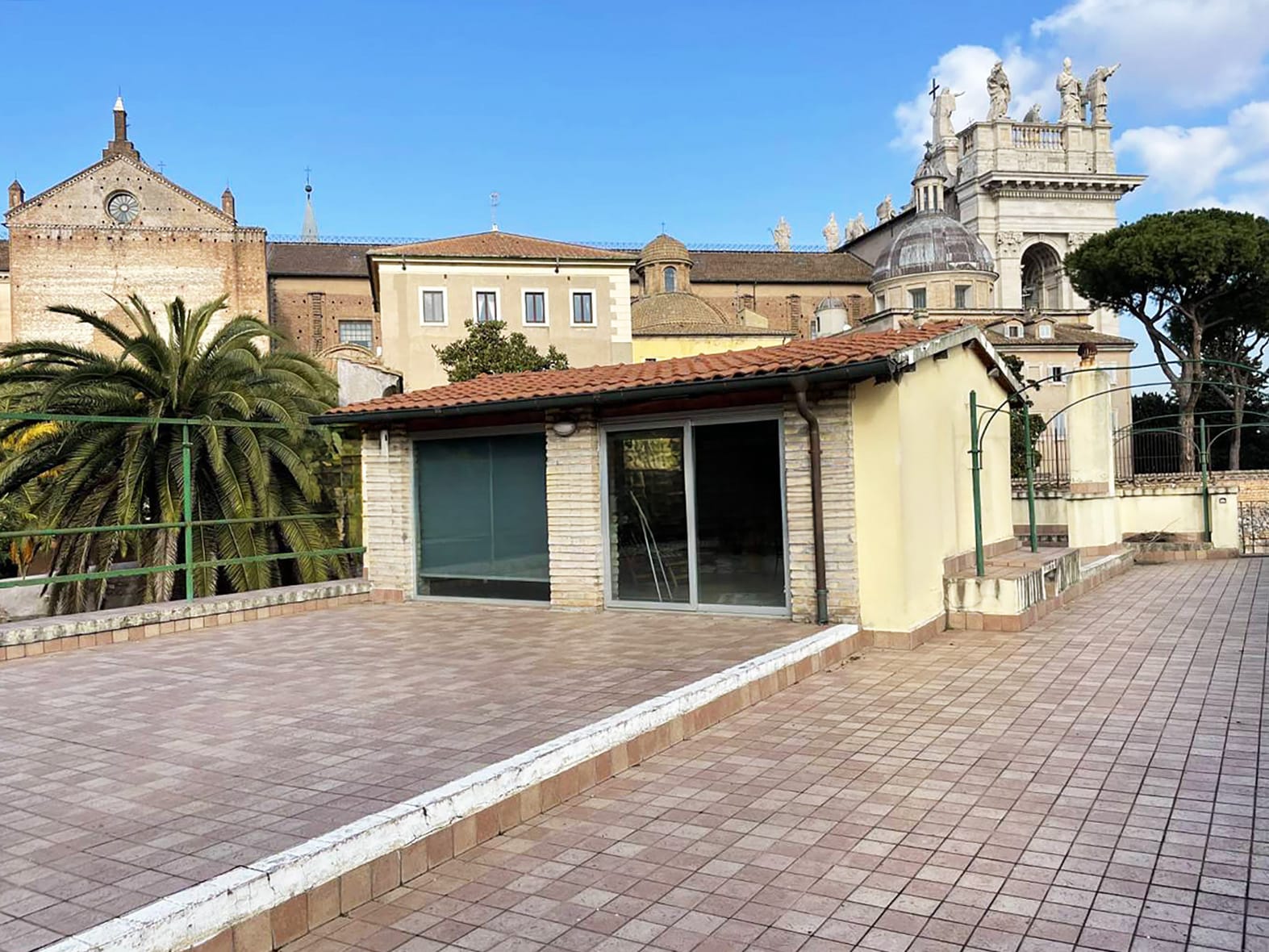
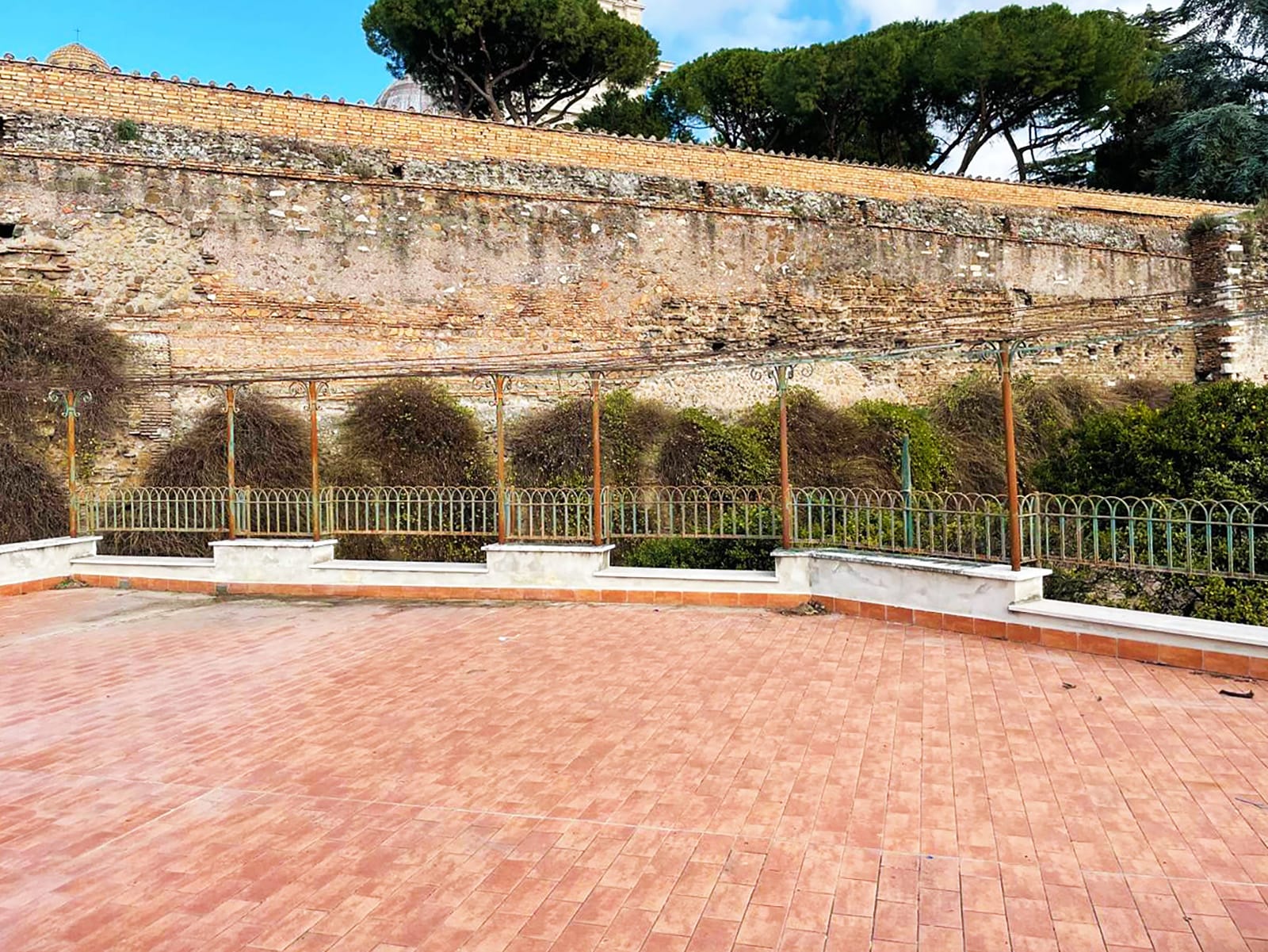
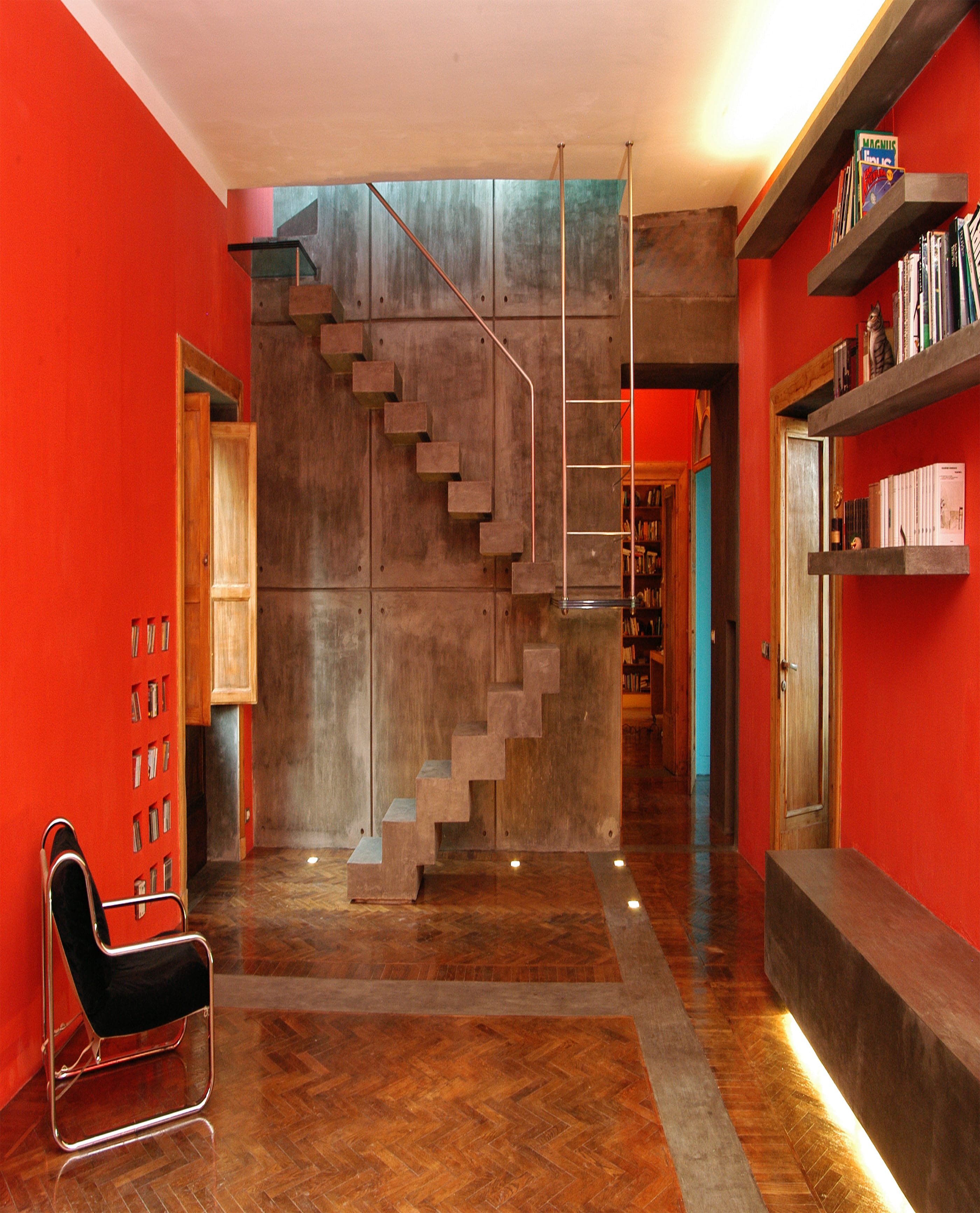
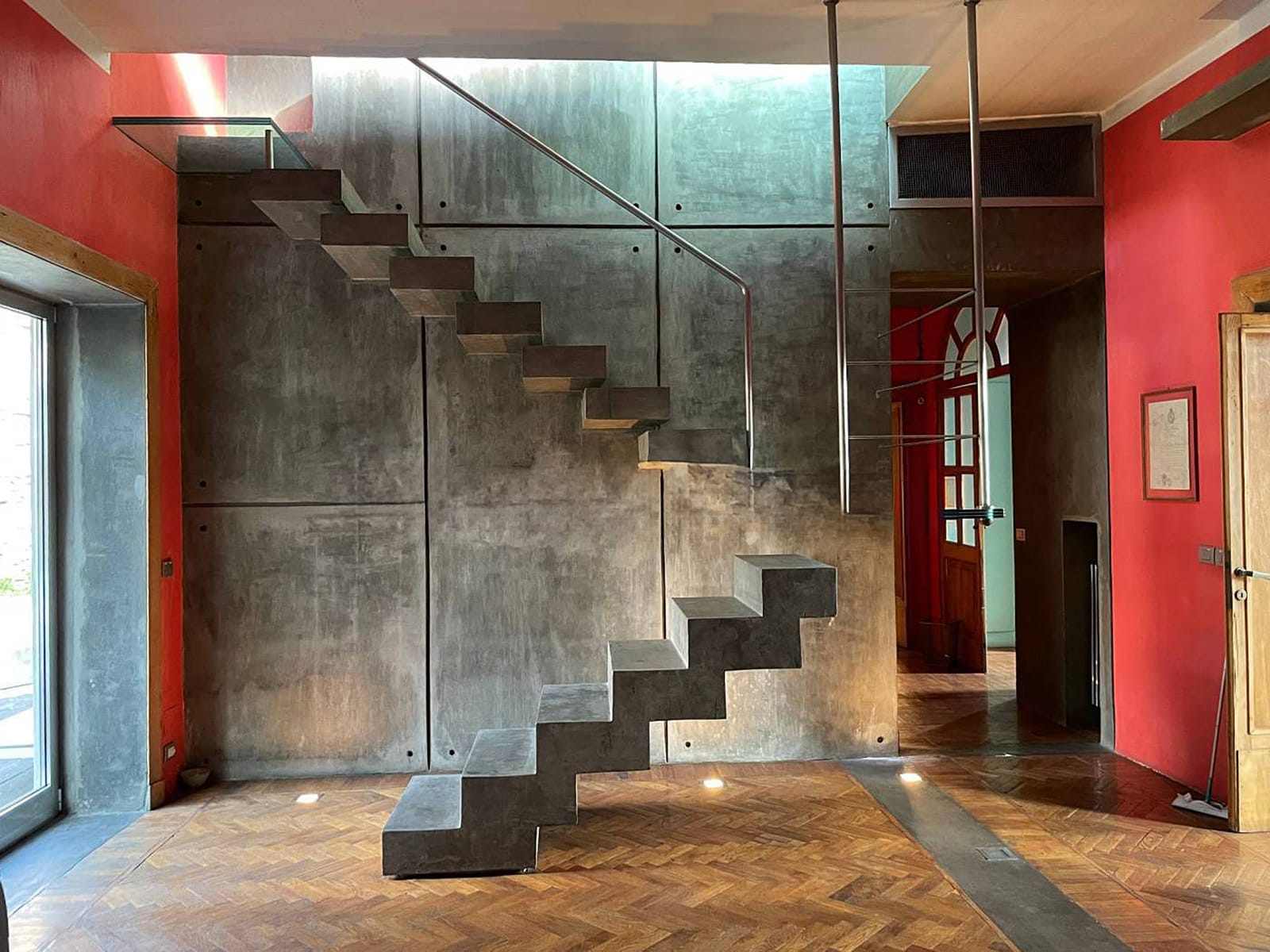
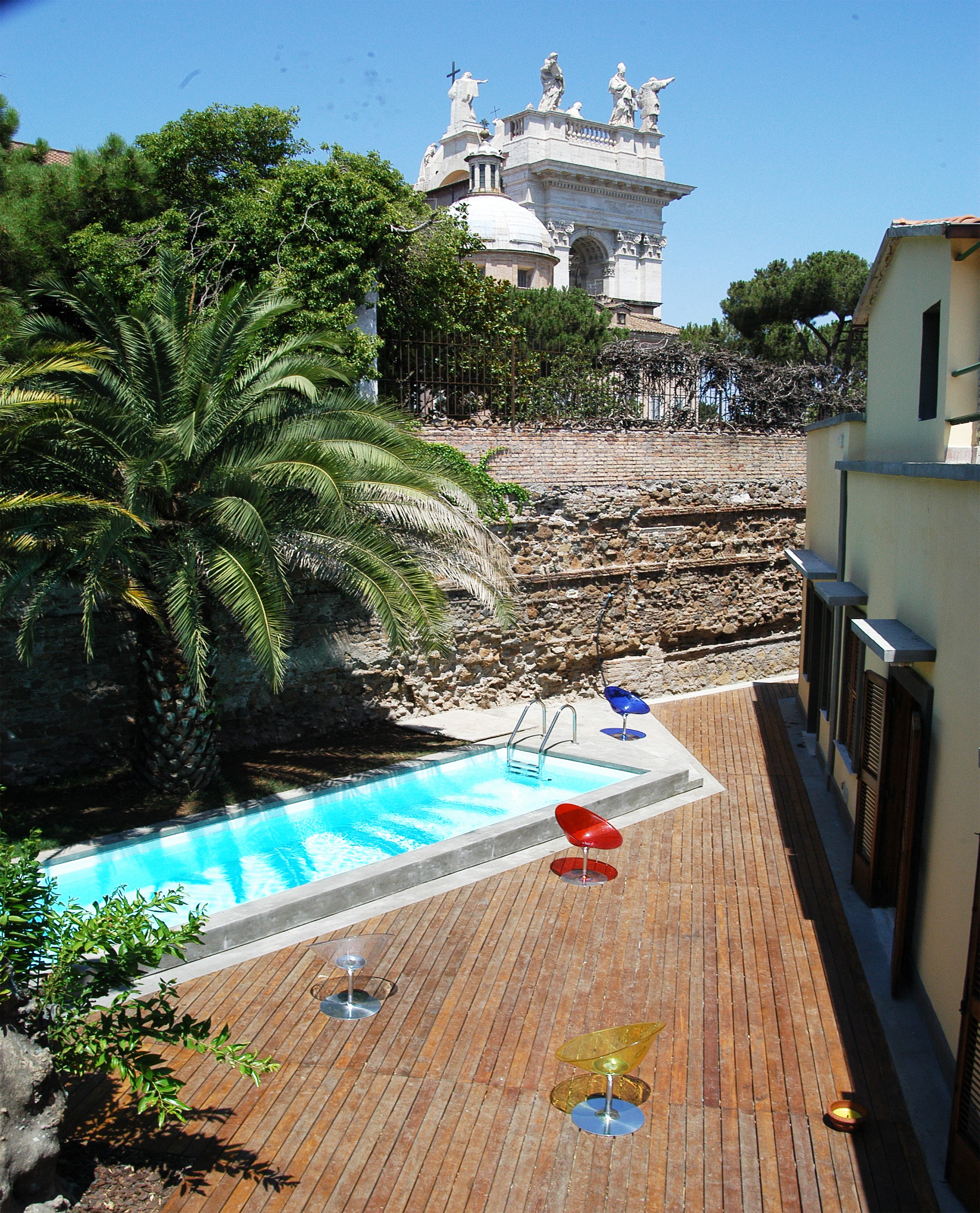
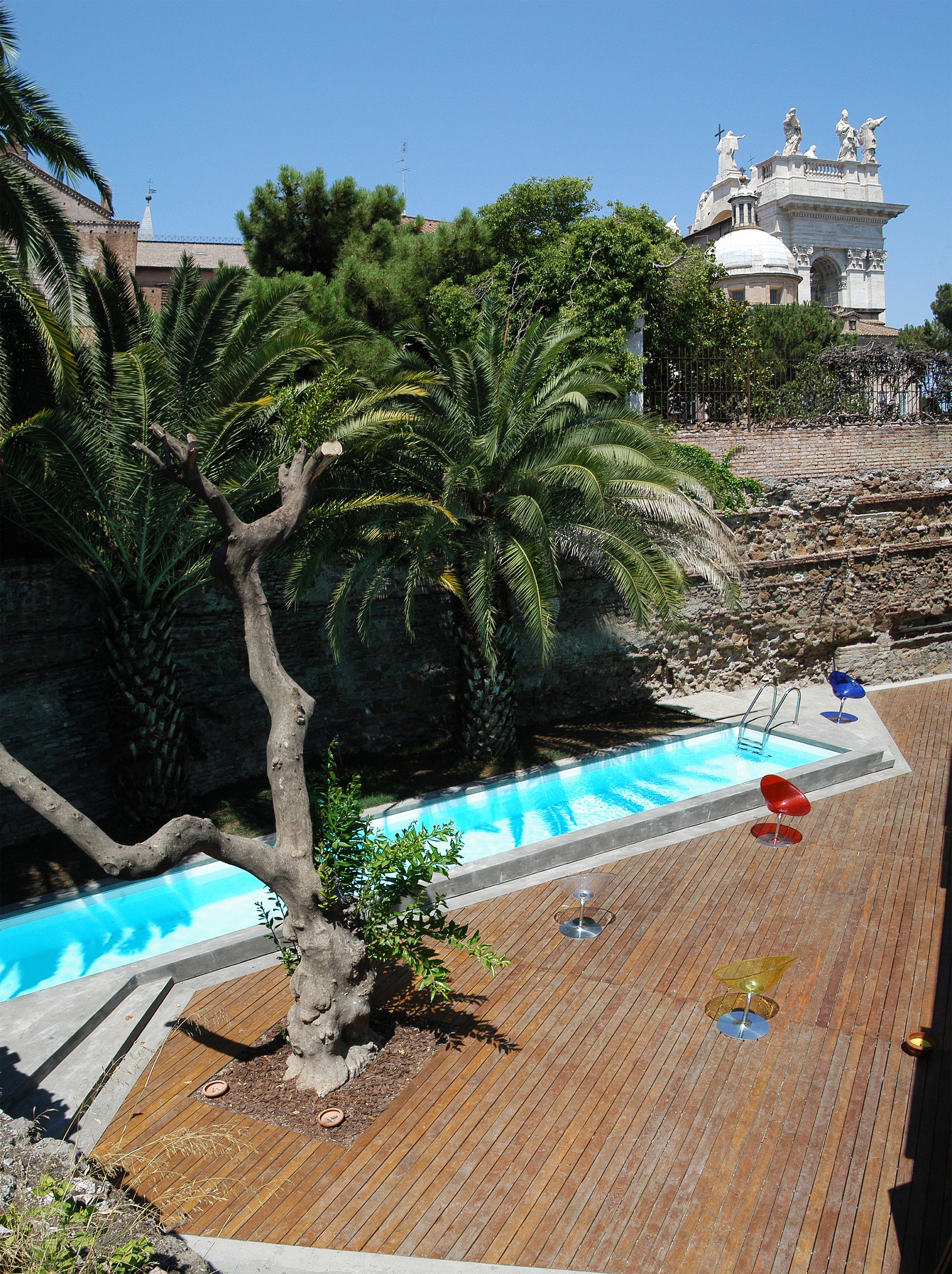
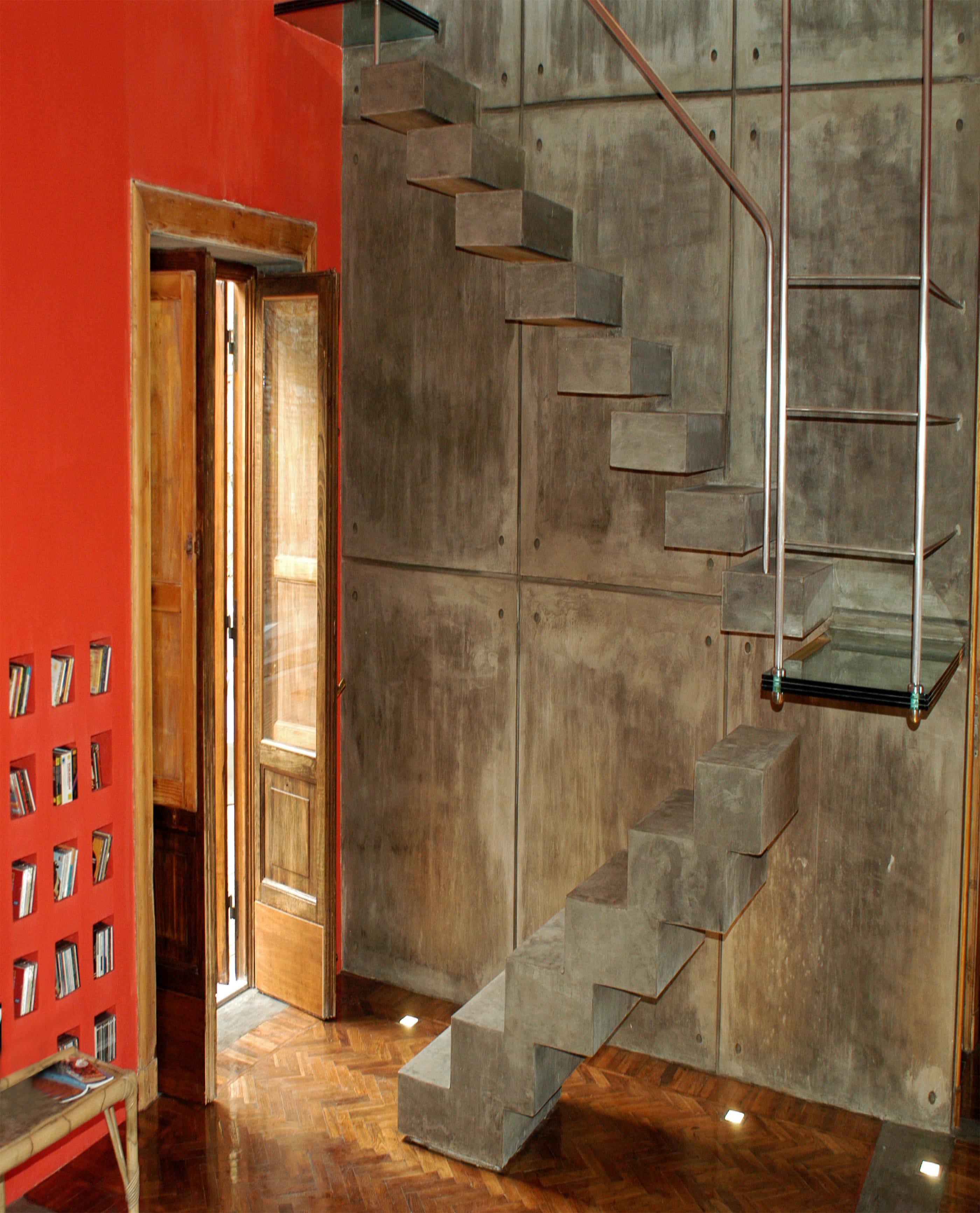
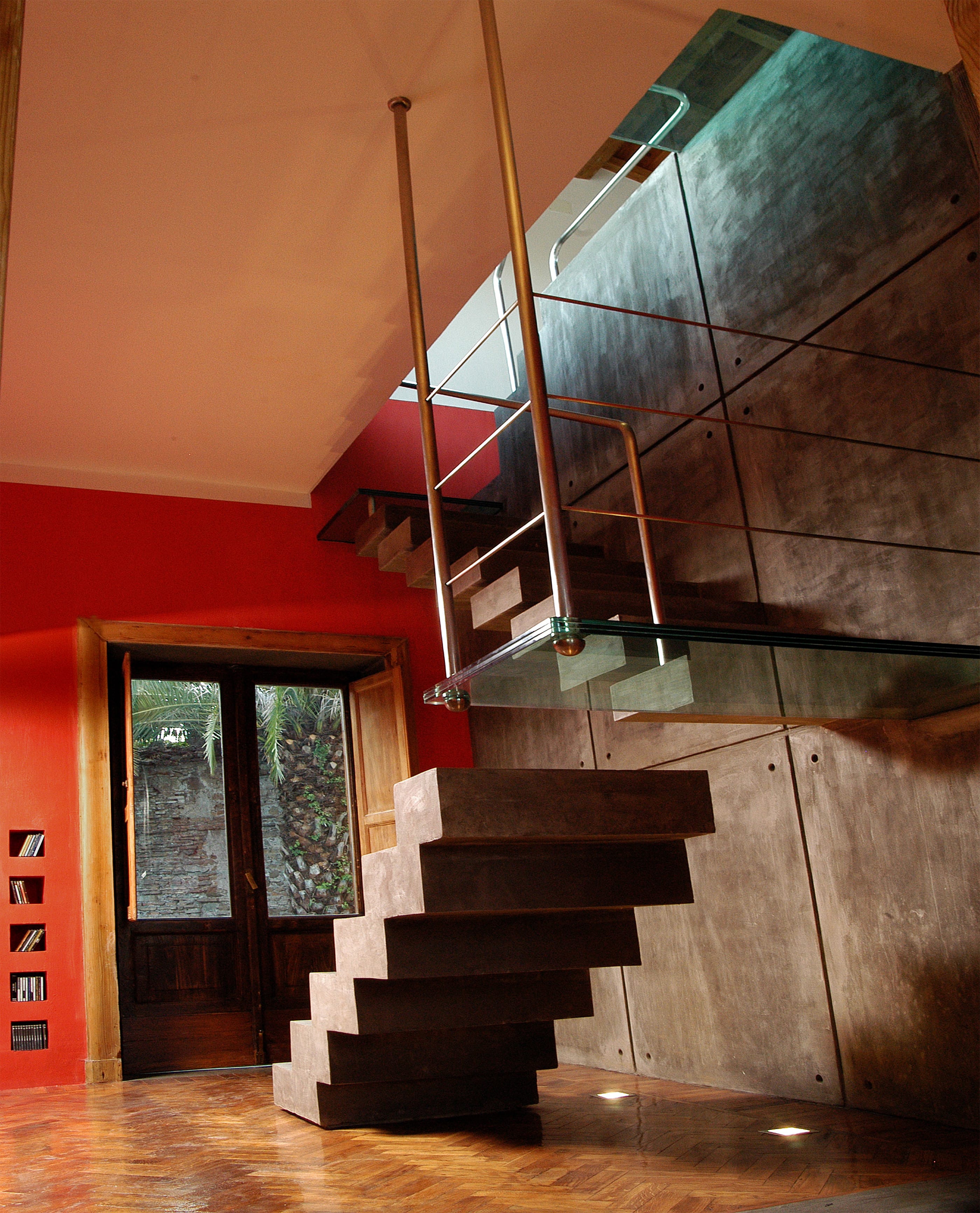
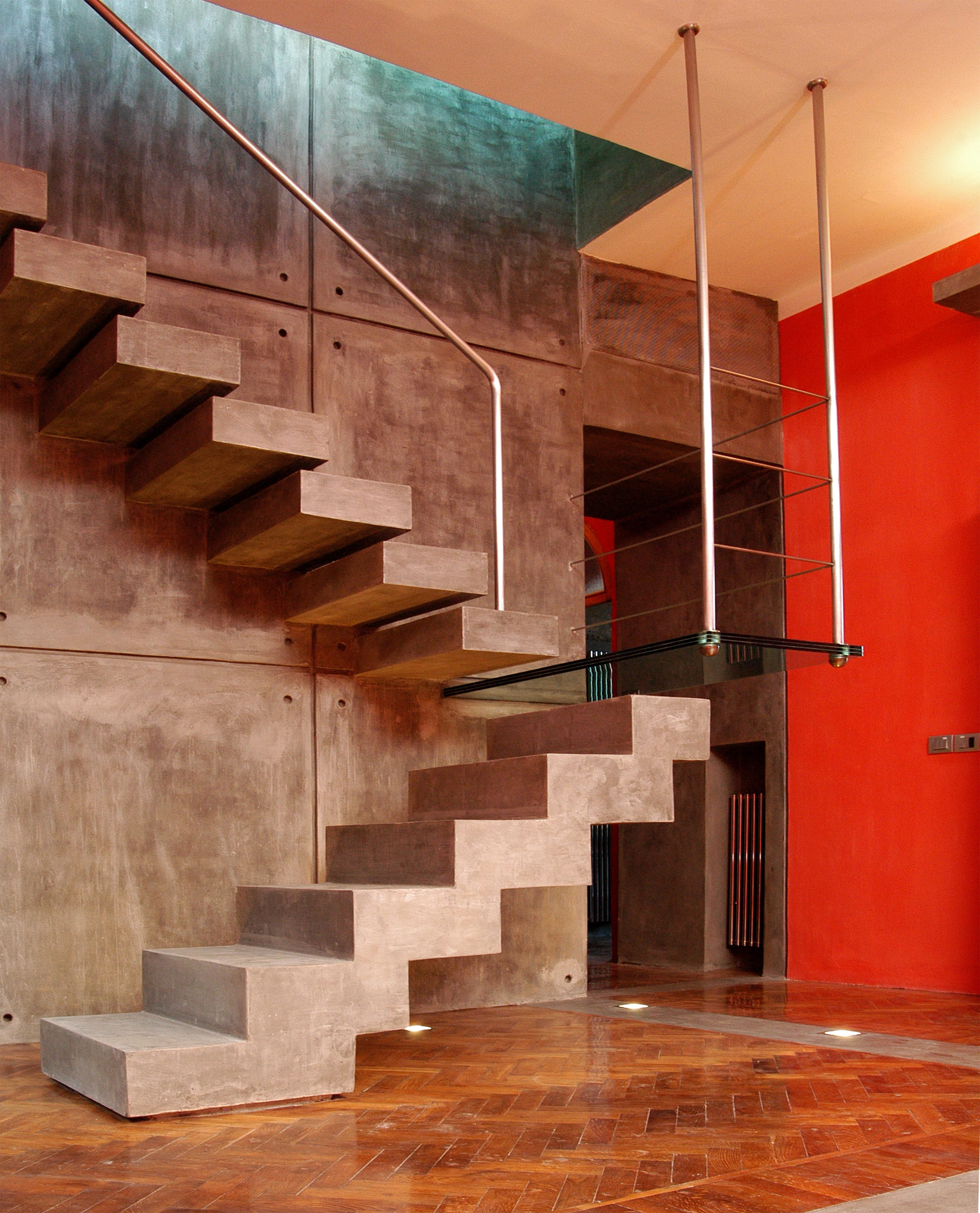
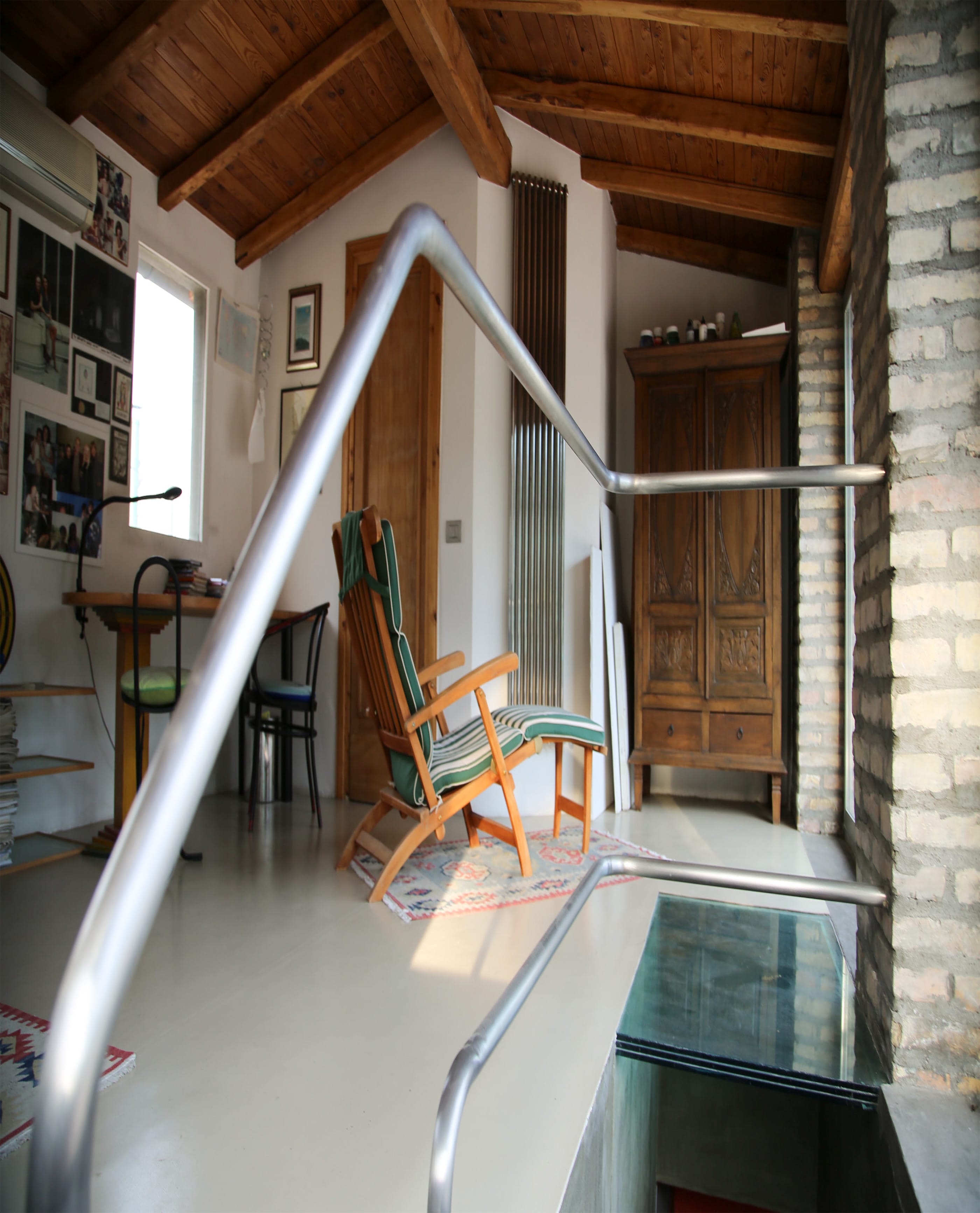
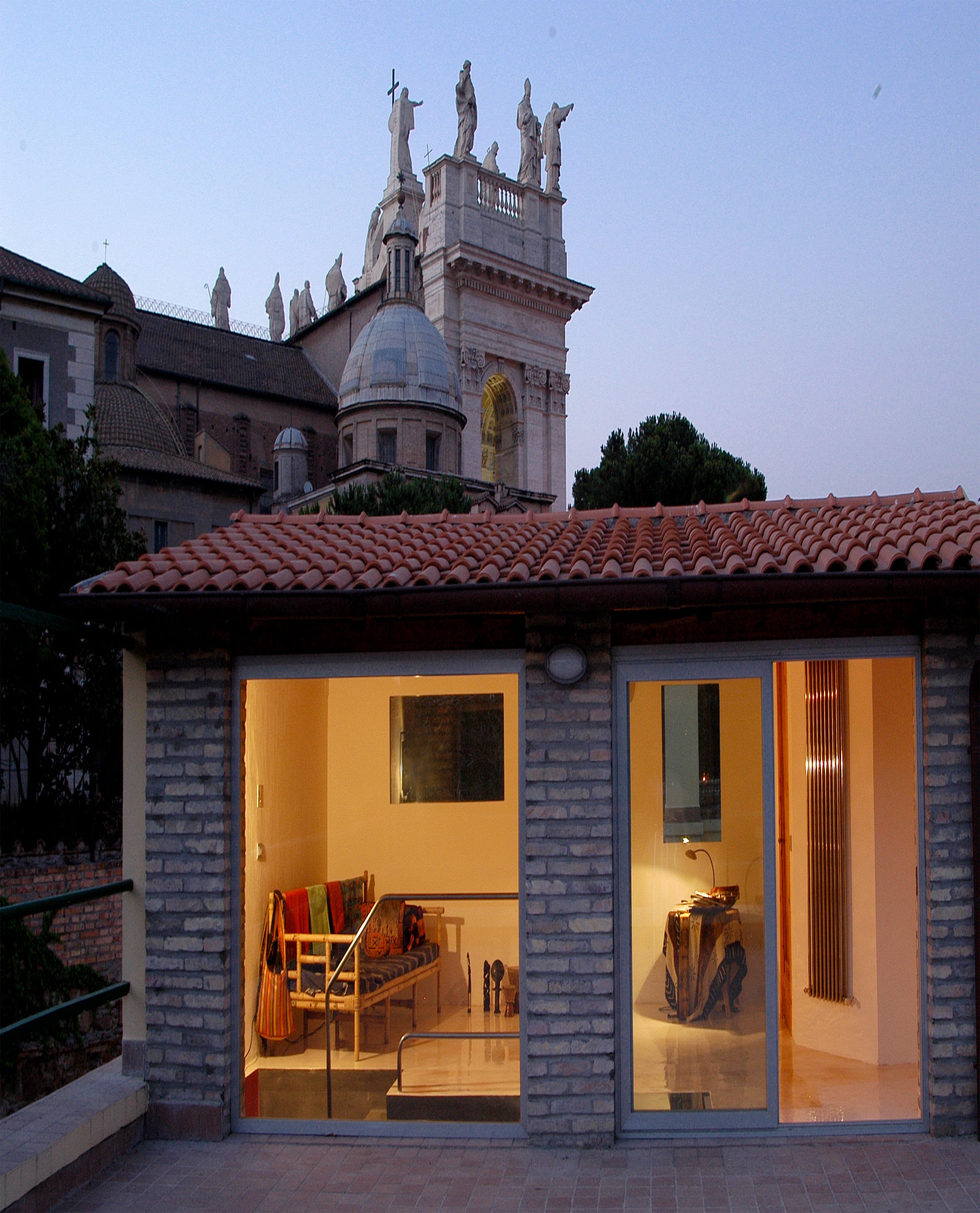
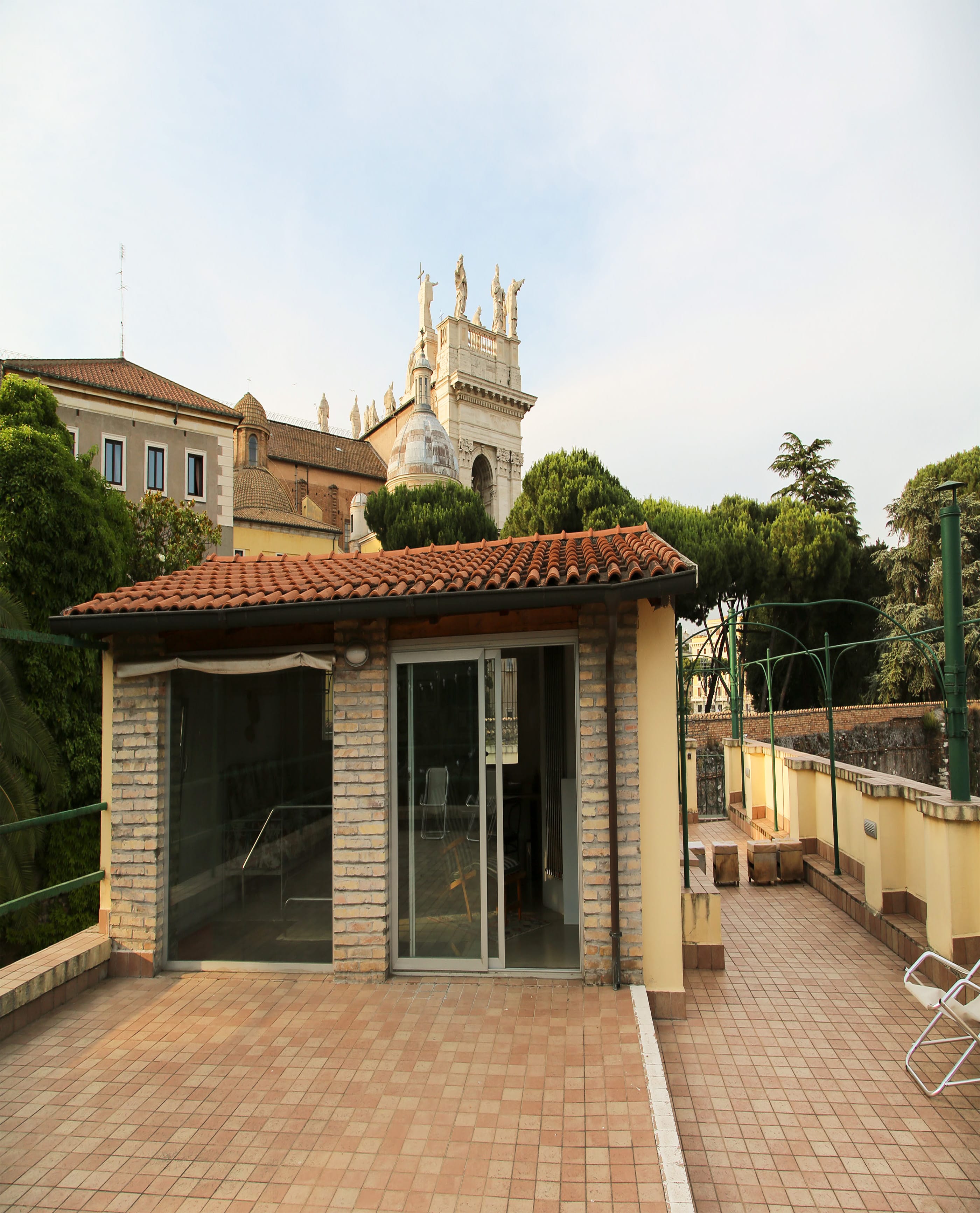
The self-supporting staircase in smooth concrete is a true architectural gesture. It's like having a monument inside your home... through which you reach the attic level. Here a studio consisting of a room with bathroom with a window that frames the Basilica like a living painting and a magnificent perimeter terrace of approximately 150.00 m2 which enjoys suggestive views of the eighteenth-century statues of the Basilica! It is a space dedicated to thought, inspiration, contemplation. The private entrance guarantees absolute discretion, making this floor a world unto itself.
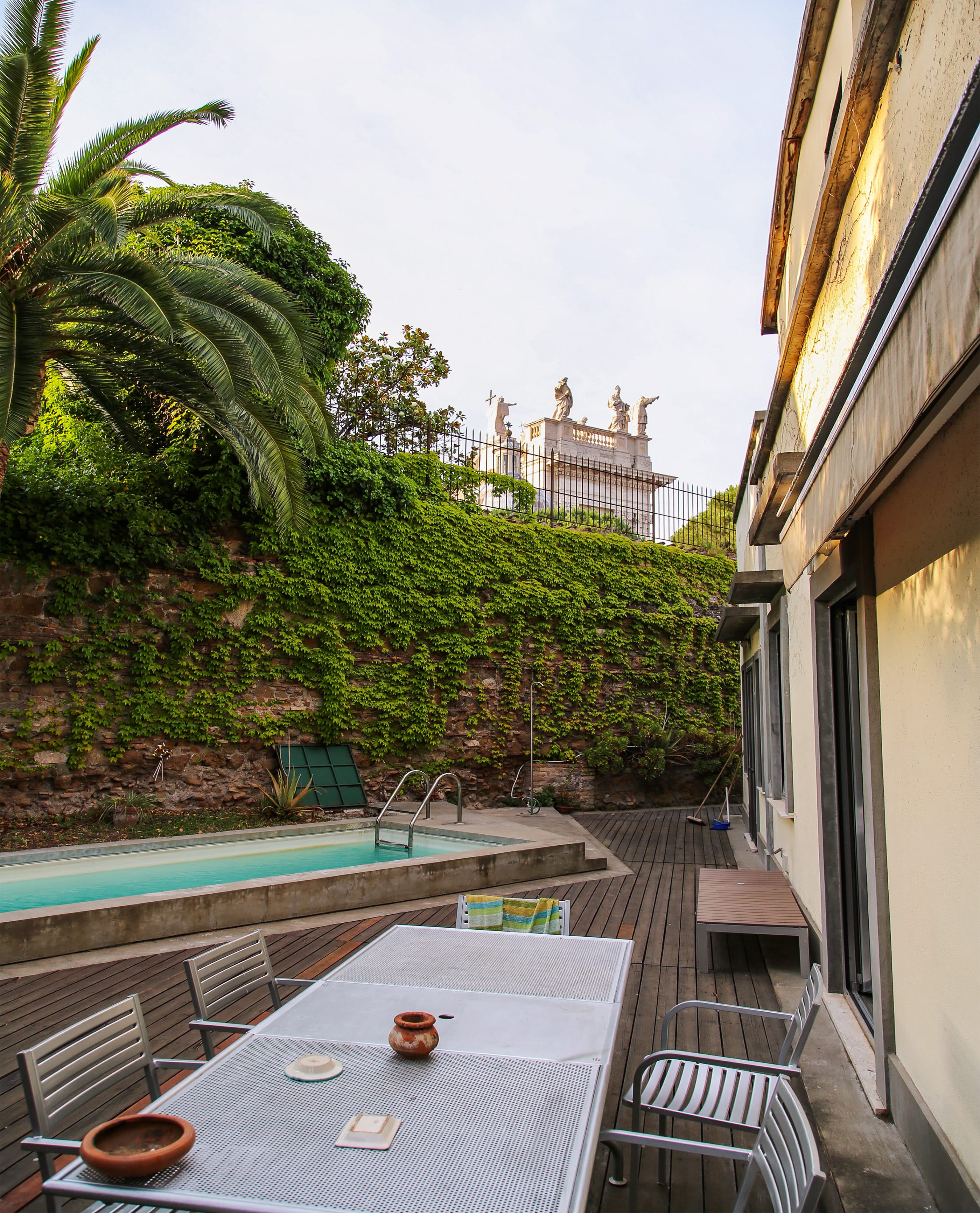
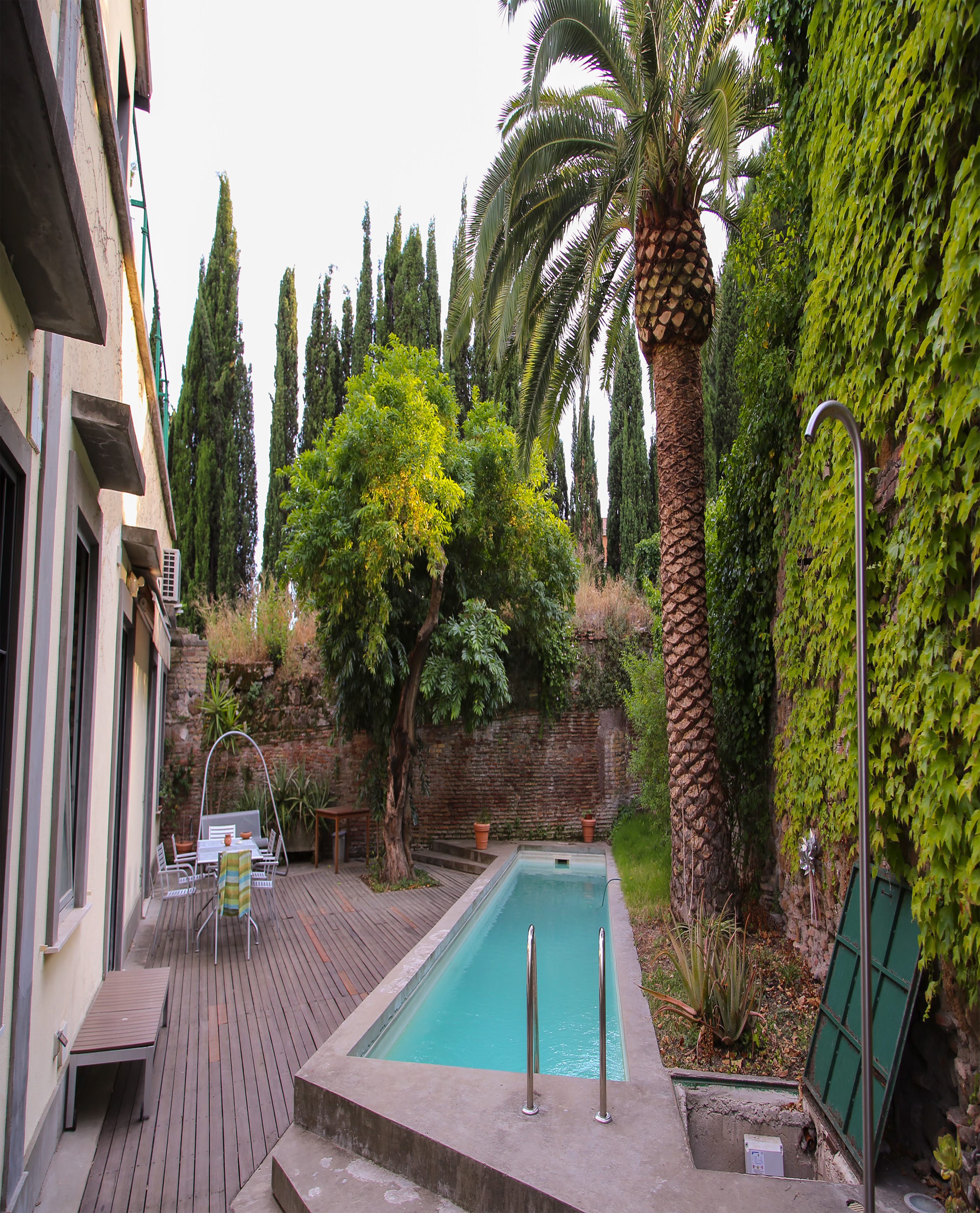
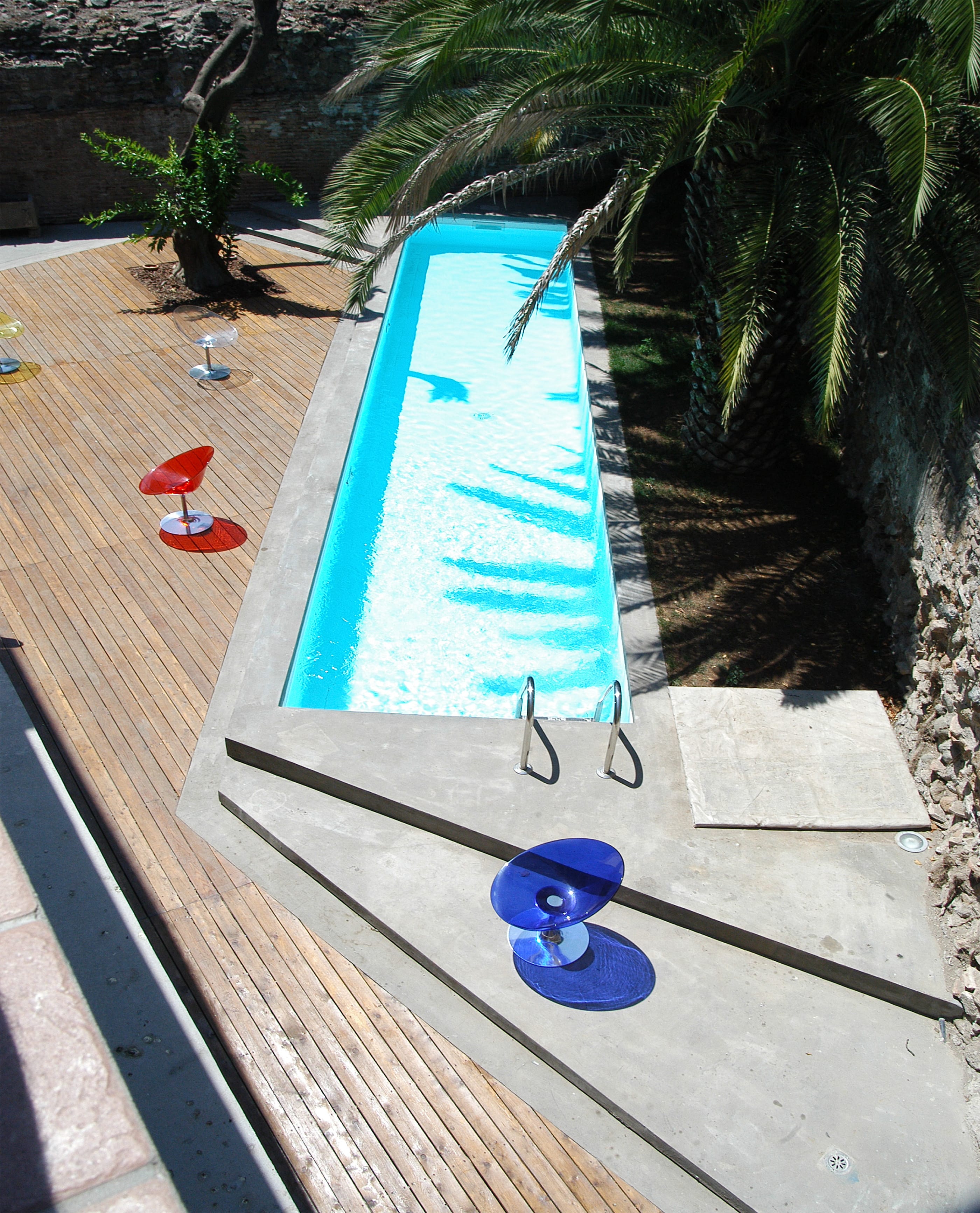
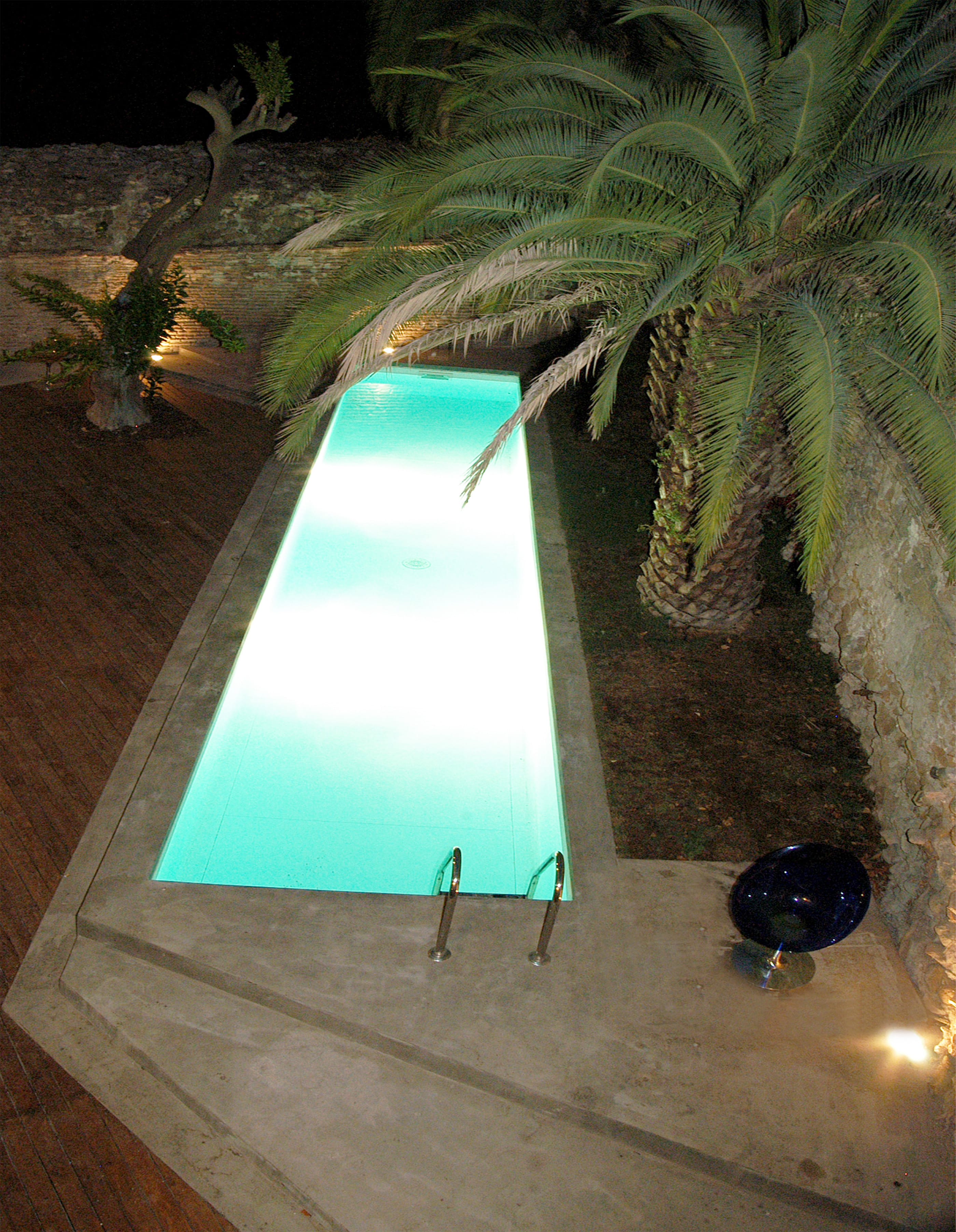
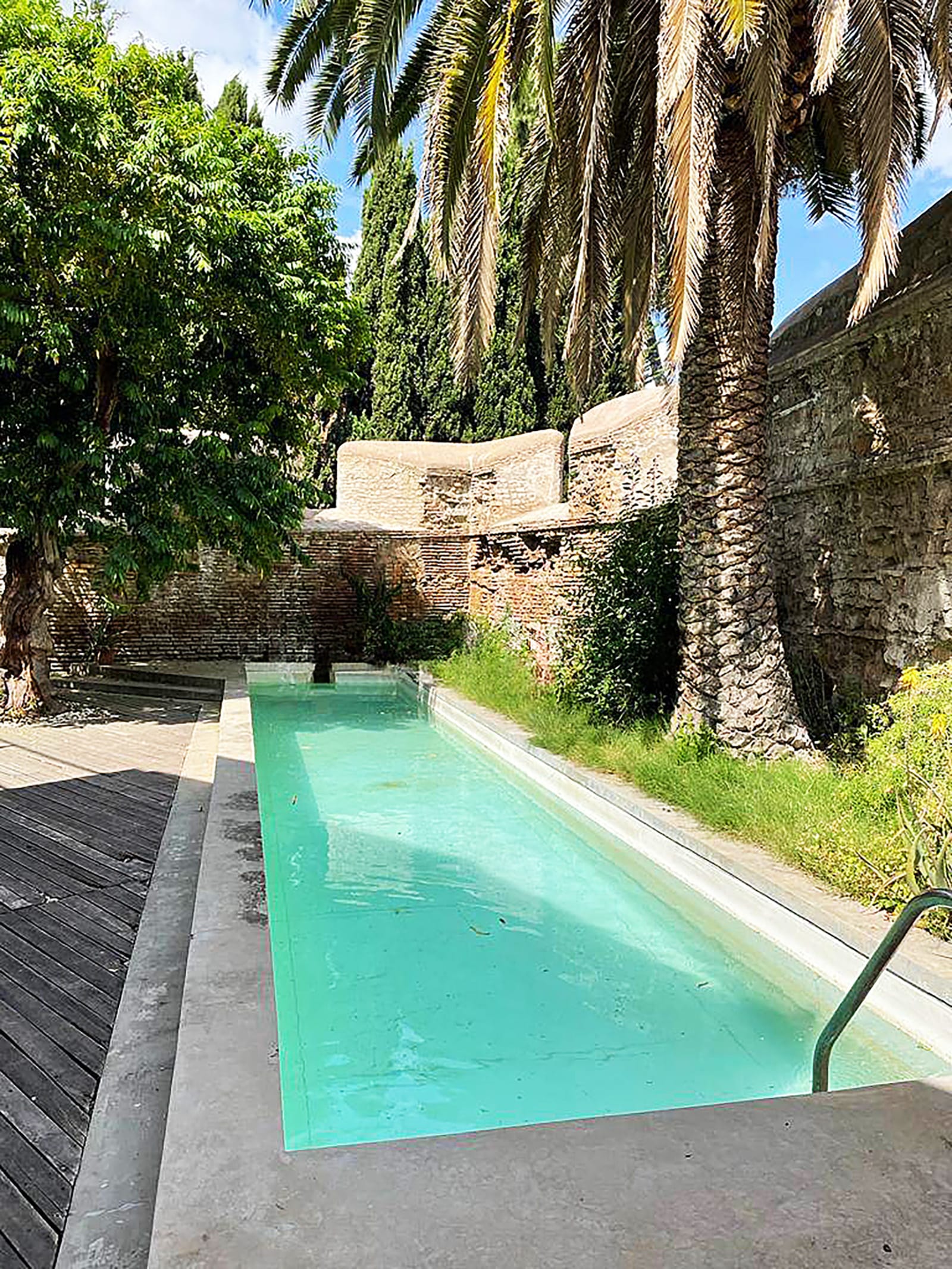
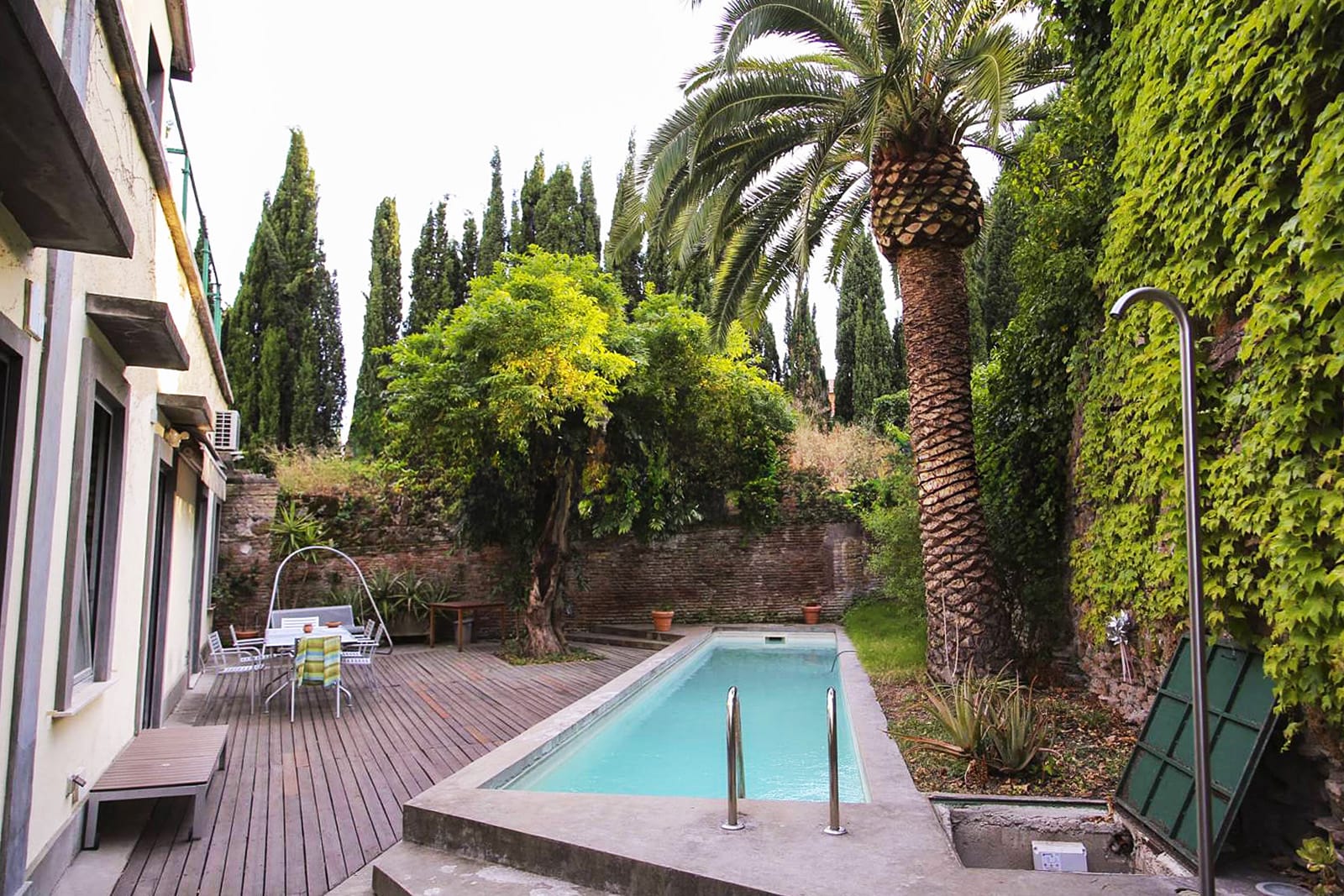
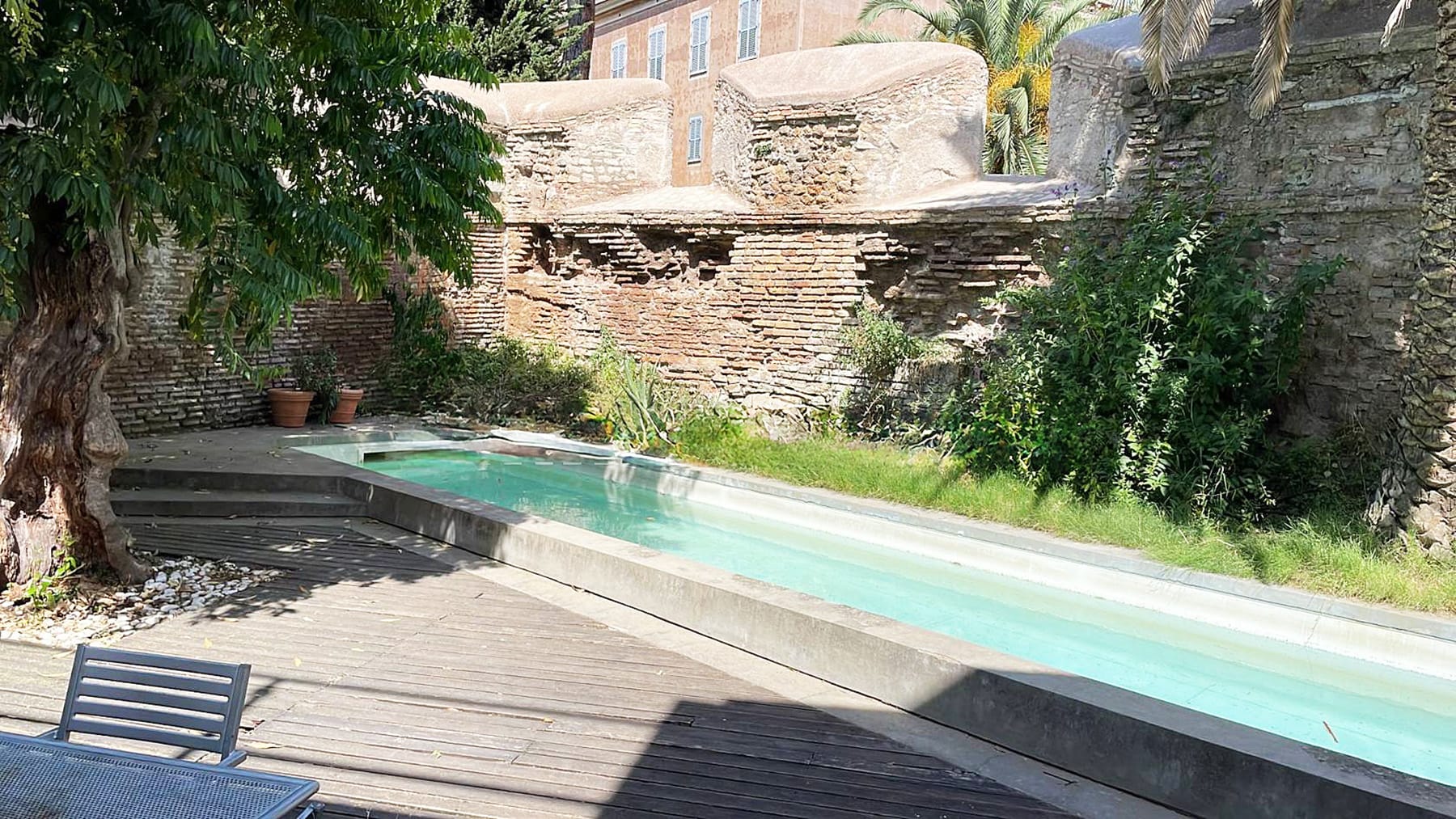
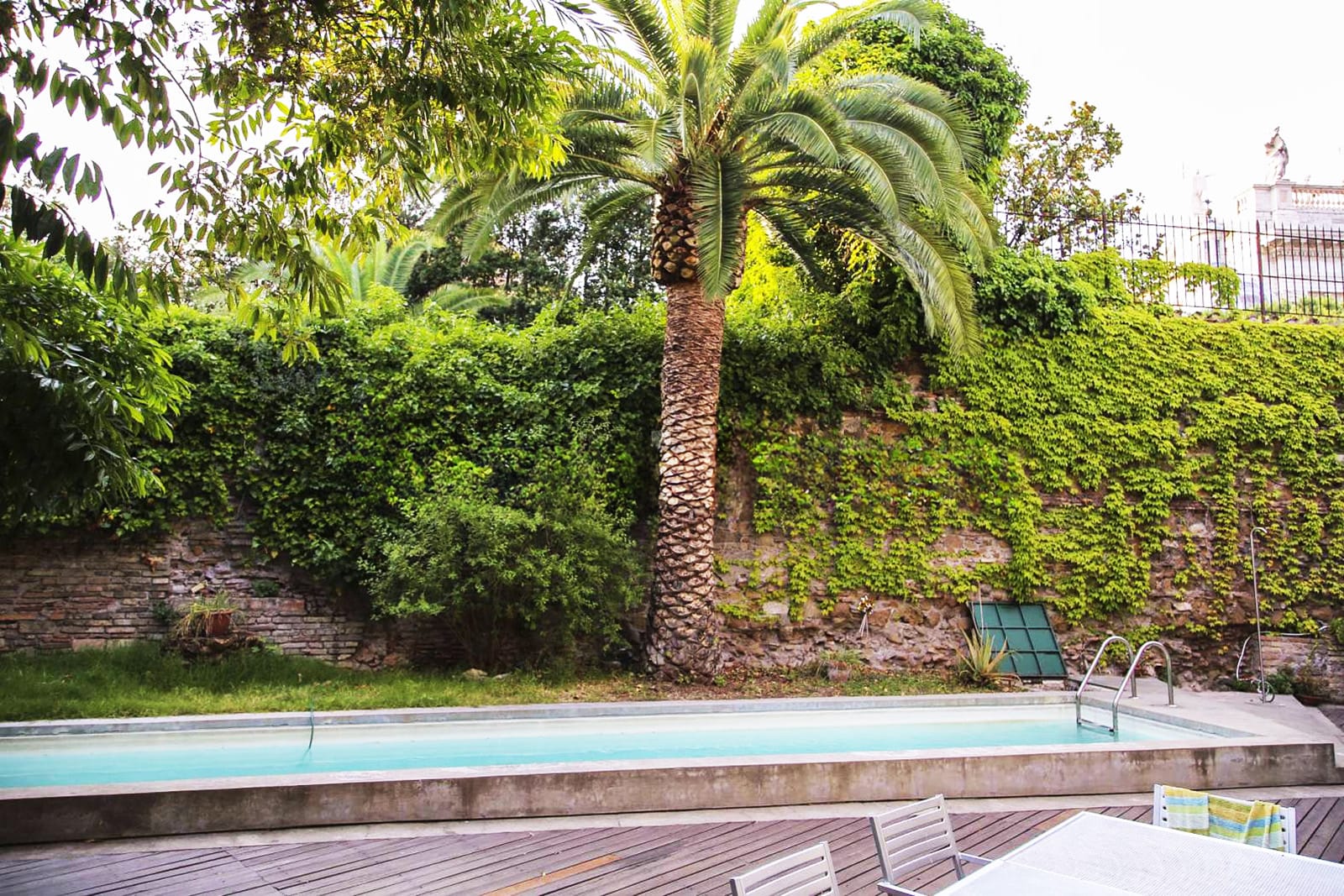
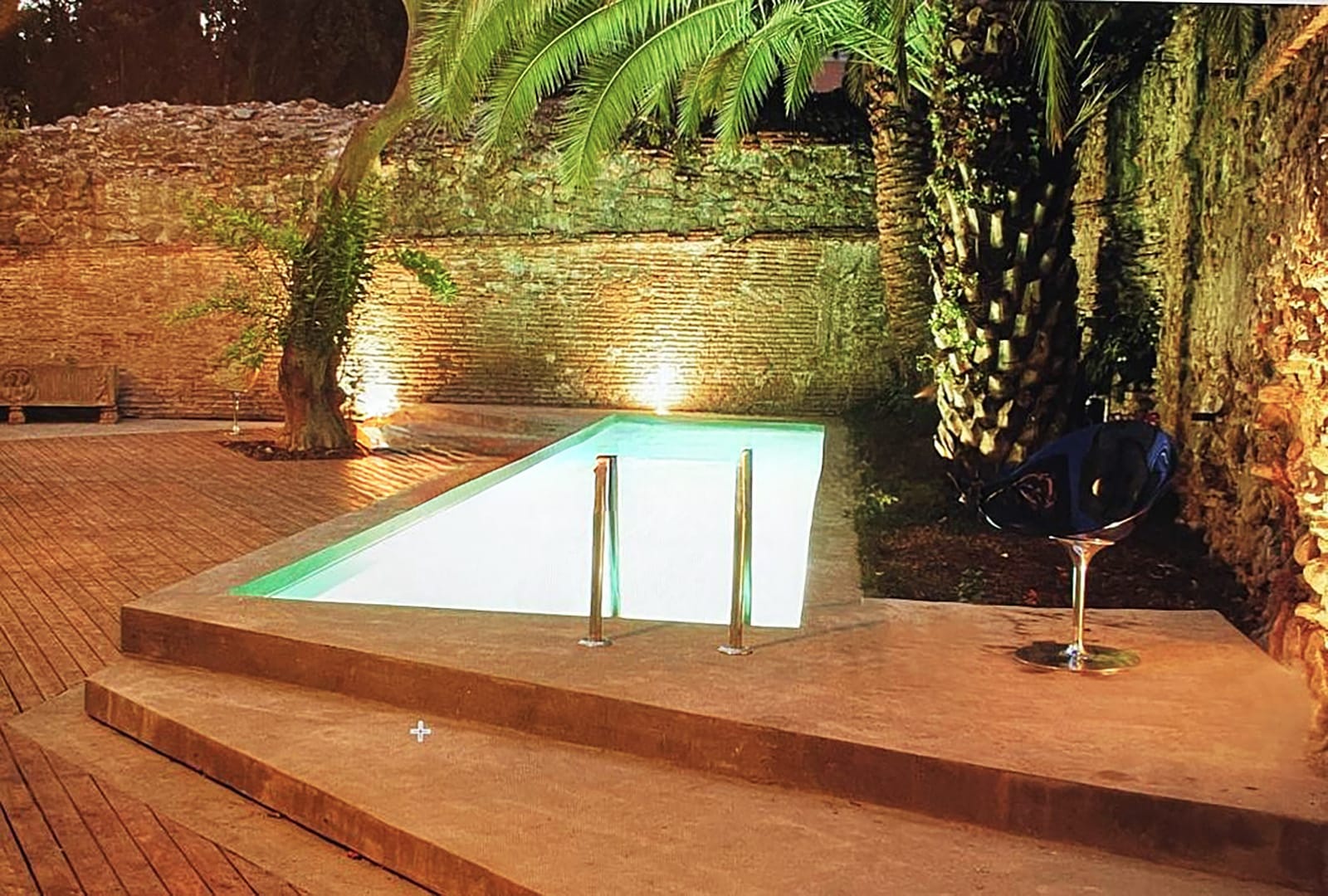
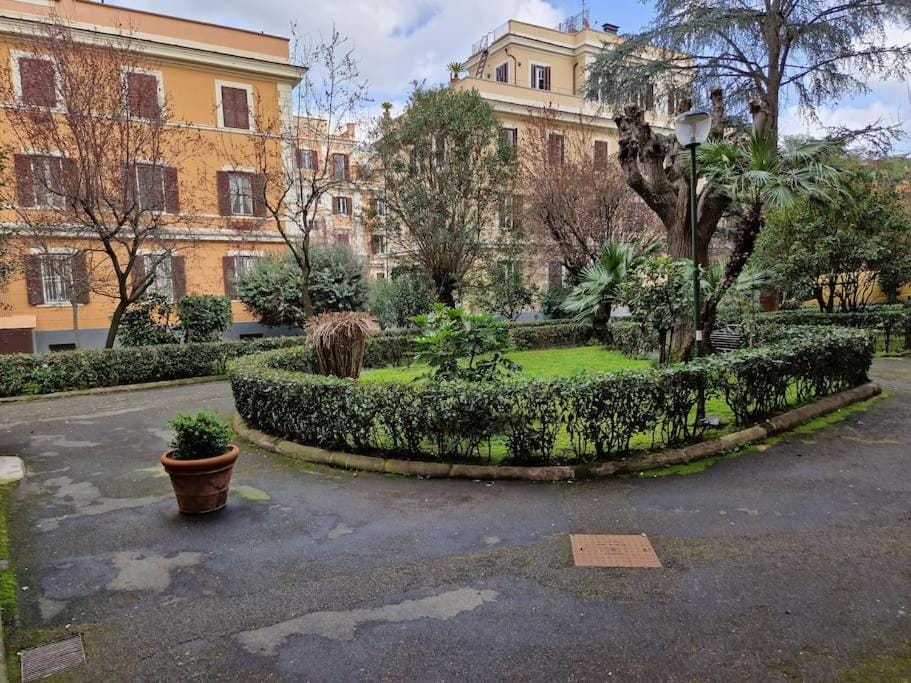
Outside: the peculiarity of this residence is that - despite being an attic - it is structured as if it were a Villa, complete with terraces and gardens which can be accessed from the reception room, with tall plants and an outdoor swimming pool (which was once an ancient fountain), but with very high walls that offer maximum privacy. A rare gift in the heart of Rome, an intimate and unexpected corner of nature.
The high ceilings and cherry parquet in all rooms enrich the house with charm, equipped with independent heating and air conditioning. A photovoltaic system with heat pump is also being set up to eliminate heating and hot water costs.
The property includes a garage/cellar.
A masterpiece to live in!
DETAILS:
Unique home
Penthouse on multiple levels
240.00 m2 covered
280.00 m2 terraces
160.00 m2 garden
360.00 commercial m2
Swimming pool
Box/Storage
Partially Furnished
Air-conditioned
The Area: a Neighborhood of Art and Life
The surrounding context is part of a larger project, which includes the future transformation of a nearby school into a contemporary art center. Living here means breathing culture, creativity and beauty every day.
San Giovanni is one of the Roman neighborhoods that can count on a thousand-year tradition. Defined in local terminology as Appio-Latino, it includes several Renaissance buildings and hides a long series of points of interest.
The beginnings of the Appio-Latino neighborhood, both from a landscape and social point of view, should be traced back even to the Etruscans: before the Roman age.
However, the first official news of the San Giovanni district dates back to the Renaissance era and is attested by the presence of numerous monuments that have to do with that historical-literary period. Among these, the Basilica of San Giovanni in Laterano and the Lateran Palace should be noted, both very important from an artistic and cultural point of view. The avenues are also very interesting, with their typical cobblestones which make them even more evocative.
“The San Giovanni neighborhood today”
Nowadays, the Appio-Latino neighborhood is certainly experiencing a phase of urban expansion. In this context, a fundamental role has been played by the May Day concert, which is held every year in the square a stone's throw from the Basilica.
The San Giovanni neighborhood is experiencing a phase of clear development from a demographic point of view: in fact, it has around 60 thousand inhabitants. The Appio-Latino district is the ninth district of Rome, belonging halfway between the VII and VIII Municipalities of Rome.
San Giovanni, today, is full of green areas to be enjoyed, which have increased its livability and immersed citizens in an ideal climate.
The Basilica of San Giovanni in Laterano is worth a prolonged visit: cathedral of the diocese of Rome, it is the oldest and most important basilica in the West. Located on the Celio hill, it boasts a large and interesting surrounding architectural complex and unique interiors in the world.
The area is also delimited by a long stretch of the Aurelian Walls, in which several gates of important historical and artistic interest are concentrated, including Porta San Giovanni, Porta Asinaria and others.
The area of the neighborhood is ideal for relaxing thanks to the numerous small bars and is very close to the center of Rome, despite not being crowded with tourists.
The old markets, such as the very famous one on Via Sannio, still prevail over shopping centres, while shopping takes the form of a profitable walk especially in the central Via Appia: frequented by clothing lovers, albeit at affordable costs. From here you reach the Via Appia Antica, which was considered by the Romans the "queen of roads": one of the greatest engineering works of the ancient world due to the enormous economic, military and cultural impact it had on Roman society. The Appia Antica Regional Park is located there: a protected area with a strong archaeological presence.
It is certainly an area where you won't get bored and is well connected: the metro has a stop called San Giovanni and there are many tram lines that pass through the neighborhood. Furthermore, there is the Rome Tuscolana train station which is a perfect crossroads for all of Italy.
(from Rome&Vatica Card)
Price
POA
- Loading...
Price
POA
Suggested for you



Immobili di Prestigio srl | P.IVA 05984961002